Aerospace Measurement Errors That Delay First Pass Yield
Time
Click Count
Aerospace Measurement errors rarely start as dramatic failures. They usually appear as small deviations in alignment, inspection, and verification steps. Those deviations compound across assemblies, documentation cycles, and supplier handoffs. The result is delayed first pass yield, added rework, and slower release to production. In aerospace programs, where every tolerance chain matters, reducing hidden measurement uncertainty is often faster and cheaper than correcting downstream defects.
Why Aerospace Measurement risk looks different across production scenes
Not every Aerospace Measurement problem comes from the same source. Measurement risk changes with part size, material behavior, inspection speed, and the required traceability path. A composite skin panel creates different uncertainty than a turbine blade or avionics connector.
This matters because first pass yield depends on matching the method to the scene. A method that performs well in a lab may fail on the shop floor. A fast scan may support throughput, yet still miss critical geometric conditions.
In practical terms, Aerospace Measurement decisions should be made by scenario. The right question is not only “How accurate is the instrument?” The right question is “How accurate is the full workflow under this production condition?”
Scene 1: Large-structure alignment where tiny reference errors become expensive
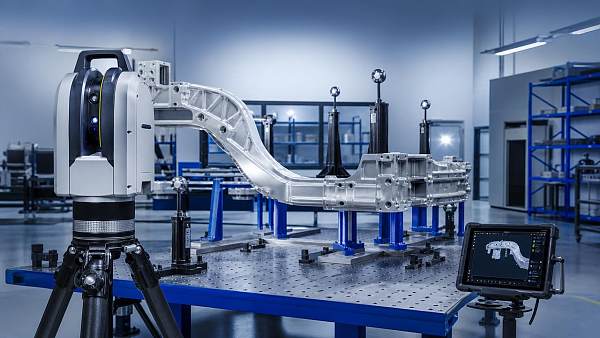
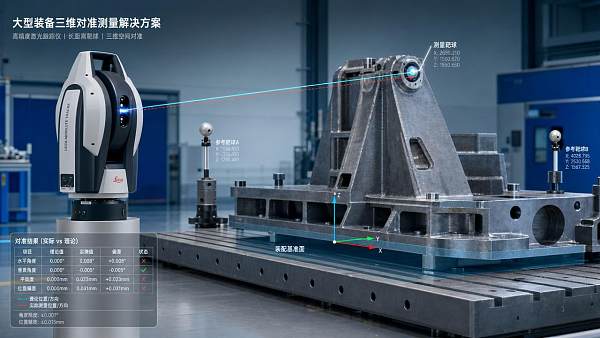
Large fuselage sections, wing assemblies, and structural frames create a common Aerospace Measurement trap. Reference systems look stable at setup, but drift appears during repositioning, fixture loading, or thermal change. A small origin error can distort the entire build sequence.
First pass yield suffers when teams trust nominal coordinates without checking reference integrity. Datum transfer, line-of-sight blockage, and floor vibration often create hidden offsets. These issues may stay invisible until mating components fail to align.
Core judgment points for large-structure Aerospace Measurement
- Whether thermal expansion is modeled during the actual inspection window
- Whether datum points remain stable after part movement or fixture clamping
- Whether instrument position changes introduce cumulative registration error
- Whether measurement uncertainty is budgeted at system level, not device level
Scene 2: Precision-machined parts where surface and feature interpretation diverge
Machined aerospace parts often pass dimensional checks yet still fail functional fit. The issue is not always raw instrument accuracy. It is frequently feature interpretation, edge extraction, probe path choice, or filtering settings inside the Aerospace Measurement workflow.
Complex geometries intensify the problem. Thin walls deflect. Reflective surfaces distort optical capture. Tight bores and blended radii challenge access. When programming assumptions differ from drawing intent, measured compliance can become misleading.
Typical hidden gaps in part-level Aerospace Measurement
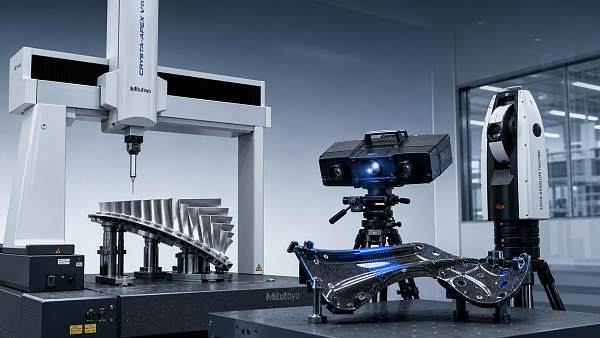
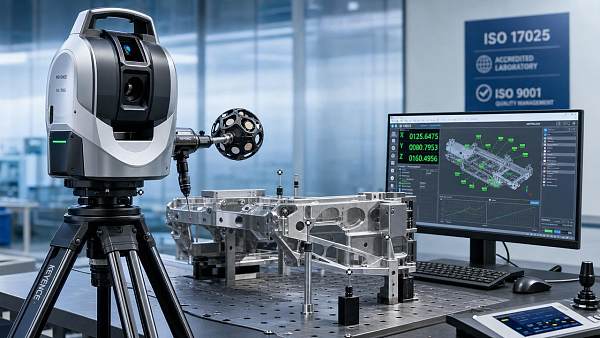
- Inconsistent feature extraction between CMM and optical systems
- Probe force affecting thin or delicate surfaces
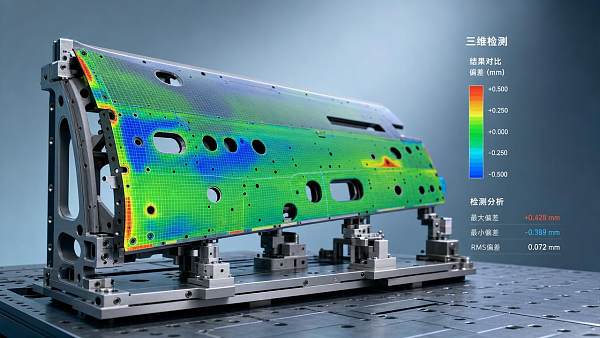
- CAD-to-part comparison using the wrong best-fit strategy
- Surface finish or coating influencing laser and vision readings
Scene 3: Composite and bonded assemblies where material behavior distorts Aerospace Measurement
Composite structures require a different Aerospace Measurement mindset. Material response changes with humidity, cure state, and support conditions. A panel measured in one state may shift after transport or fastening, even when process controls appear stable.
Bonded assemblies add another layer. Adhesive thickness, local spring-back, and hidden warpage affect final geometry. If inspection occurs too early or under unrealistic support conditions, the data may look acceptable while assembly readiness remains poor.
What to verify before accepting composite Aerospace Measurement data
- Confirm the part has reached environmental equilibrium.
- Measure under support conditions that match assembly reality.
- Separate material movement from instrument uncertainty.
- Review bonding process variables alongside geometry results.
Scene 4: Supplier transfer and incoming inspection where traceability breaks first pass yield
Many Aerospace Measurement delays begin outside the final assembly site. Suppliers may use different datums, software versions, fixture assumptions, or filtering rules. A part can appear conforming at the source and questionable at receiving inspection.
This is a classic first pass yield disruptor. The problem is not only geometry. It is traceability discipline. If reporting formats, uncertainty statements, and revision control are inconsistent, engineering review cycles grow longer and release decisions slow down.
How scene requirements differ in Aerospace Measurement
Scene-based adaptation strategies that reduce Aerospace Measurement delays
High first pass yield depends on matching controls to the production scene. The following actions improve Aerospace Measurement reliability without adding unnecessary inspection burden.
- Build an uncertainty budget for each workflow, including fixtures, software, operators, and environmental variables.
- Standardize datum logic and best-fit rules across internal and external inspection nodes.
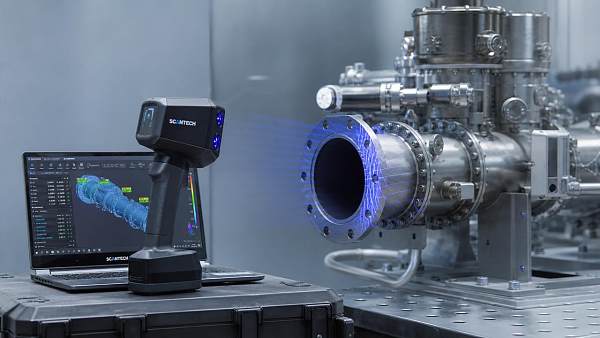
- Use cross-validation between contact and non-contact Aerospace Measurement methods on critical features.
- Link measurement plans to functional assembly conditions, not only drawing geometry.
- Monitor temperature, vibration, and part conditioning as part of the quality record.
- Review software filtering and reporting settings whenever revisions change.
Common Aerospace Measurement misjudgments that stay hidden too long
One frequent mistake is treating calibration as proof of process capability. A calibrated device can still produce poor Aerospace Measurement outcomes if fixturing, part support, or data alignment is flawed.
Another mistake is separating measurement from production reality. Inspection data collected under ideal conditions may not predict assembly success. Functional verification should influence the measurement strategy from the beginning.
A third blind spot is overconfidence in digital automation. Automated programming improves speed and repeatability, but it can also scale an incorrect assumption across hundreds of parts. Review logic matters as much as software capability.
A final issue is weak traceability between metrology, process changes, and nonconformance trends. When Aerospace Measurement data sits apart from corrective action records, recurring yield loss remains difficult to diagnose.
What to do next before Aerospace Measurement issues affect delivery
Start with one delayed or high-risk first pass yield area. Map every inspection, alignment, and verification step from incoming parts to final assembly. Identify where datums change, where environmental conditions vary, and where software interpretation could shift results.
Then compare the intended Aerospace Measurement method with the real production scene. Check whether uncertainty was estimated for the entire workflow, not only the instrument. Validate critical features using an alternate method when fit or function risk is high.
For organizations building precision-driven operations, G-IMS supports this effort with benchmark-led analysis across advanced metrology, industrial optics, non-contact inspection, and standards-based verification logic. Better Aerospace Measurement decisions create faster release, stronger traceability, and more predictable first pass yield.
Recommended News
 Oct 05, 2026When industrial 3D laser scanning systems outperform manual inspectionIndustrial 3D laser scanning systems deliver faster, repeatable full-surface inspection for complex parts, CAD comparison, safer access, and actionable quality insights.
 Sep 21, 2026When do laser trackers outperform fixed industrial measurement systems?Industrial Measurement Systems compared: learn when laser trackers deliver better portability, alignment accuracy, and cost efficiency for large, changing assemblies.
 Jul 08, 2026Handheld 3D Laser Scanner Accuracy: What Matters in Field UseHandheld 3d laser scanner accuracy depends on more than specs. Learn how surface, calibration, operator motion, environment, and software impact reliable field results.
 Jul 03, 2026Industrial 3D Laser Scanning Systems for Large-Part InspectionIndustrial 3D laser scanning systems help manufacturers inspect large parts with speed, accuracy, and traceable workflows. Explore key selection criteria for better quality decisions.
 Jun 30, 2026Laser Tracking System Updates: What Changed in Accuracy and WorkflowLaser tracking system updates explained: discover what changed in accuracy, target reacquisition, software integration, and workflow efficiency to improve inspection confidence and productivity.
 Jun 29, 20263D Laser Scanning Systems in Europe: Key Specs That Change Project Cost3D laser scanning systems Europe: discover how accuracy, range, speed, software compatibility, and compliance directly impact project cost, risk, and long-term ROI.
 May 28, 2026Aerospace Metrology Tender Alerts: How to Spot Viable BidsMetrology tender alerts aerospace teams rely on can uncover high-value bids. Learn how to spot viable aerospace contracts, assess compliance, reduce risk, and bid with confidence.
 May 23, 2026Laser Tracker Manufacturer Comparison for Large AssemblyLaser tracker manufacturer comparison for large assembly: evaluate accuracy, stability, software integration, and lifecycle support to reduce alignment risk and improve throughput.
 May 22, 2026Advanced Metrology Solutions for Aerospace: Compare Before UpgradingAdvanced Metrology Solutions for Aerospace compared the smart way—evaluate accuracy, integration, compliance, and lifecycle cost before upgrading. Discover a faster, lower-risk path to better inspection results.
 May 20, 2026Aerospace Measurement Errors That Delay First Pass YieldAerospace Measurement errors can quietly reduce first pass yield. Learn where hidden uncertainty starts, how it delays production, and what to fix first for faster, more reliable aerospace output.
 May 19, 2026Next-Gen Laser Tracking: Accuracy vs SpeedNext-gen laser tracking technology news explained: learn when accuracy should lead and when speed drives value, with a practical checklist for smarter production decisions.
 May 17, 20263D Scanning Speed vs Resolution for Reverse Engineering3d scanning speed vs resolution explained for reverse engineering: learn how to balance scan speed, detail, accuracy, and workflow efficiency to reduce rework and choose smarter.
 May 15, 2026Laser Tracker Manufacturer Selection: Accuracy, Software, ServiceLaser tracker manufacturer selection now goes beyond accuracy. Compare software, calibration, integration, and service support to reduce risk and improve long-term measurement value.
 May 14, 2026Advanced Metrology Solutions for Aerospace: Where Accuracy Pays OffAdvanced Metrology Solutions for Aerospace help reduce risk, improve traceability, and boost production confidence with smarter inspection strategies for precision-critical programs.
 May 13, 2026Aerospace Measurement Methods for Large-Part AlignmentAerospace Measurement methods for large-part alignment: compare laser trackers, photogrammetry, 3D scanning, and portable CMMs to improve accuracy, traceability, and assembly efficiency.
 May 13, 20263D Scanning for Aerospace: Tolerance Risks to Watch Early3D Scanning for aerospace helps detect tolerance drift, datum errors, and assembly risks early—improving quality, compliance, and delivery confidence before delays grow costly.
 May 12, 2026Next-Gen Laser Tracking Technology News That MattersNext-gen laser tracking technology news reveals what truly impacts precision, automation, traceability, and ROI. Discover the updates that help teams reduce risk and make smarter investment decisions.
 May 09, 2026Innovations in Handheld 3D Scanning for Faster Field MeasurementInnovations in handheld 3D scanning are accelerating field measurement with faster capture, real-time validation, and portable accuracy—discover how teams reduce rework and speed decisions.
 May 07, 2026How Much Laser Tracker Measurement Range Do You Actually Need?Laser tracker measurement range: find the right fit for your plant. Learn how to balance accuracy, setup efficiency, and ROI to avoid overspending and choose smarter.
 May 07, 2026Laser Tracker Angular Accuracy vs Real-World Alignment ErrorsLaser tracker angular accuracy is only the start. Learn how setup, thermal drift, geometry, and operator practice drive real-world alignment errors before you trust critical measurement data.
 May 05, 2026Laser Tracker Manufacturer Checklist for High-Accuracy ProjectsLaser tracker manufacturer checklist for high-accuracy projects: compare accuracy, service, compliance, and total cost to choose the right supplier with confidence.
 May 04, 2026Advanced Metrology Solutions for Aerospace: When Higher Precision Pays OffAdvanced Metrology Solutions for Aerospace help reduce compliance risk, improve supplier qualification, and control lifecycle costs—see when higher precision delivers stronger ROI.
 May 03, 2026What to Ask Before Choosing a 3D Scanning Supplier3D Scanning supplier selection starts with the right questions. Learn how to evaluate accuracy, workflow, compliance, costs, and support to choose a supplier with confidence.
 May 03, 20263D Scanning for Aerospace: When Accuracy Changes the Outcome3D Scanning for aerospace helps teams catch deviations earlier, reduce rework, and improve traceable quality decisions—see how accuracy can reshape safety, schedule, and program outcomes.