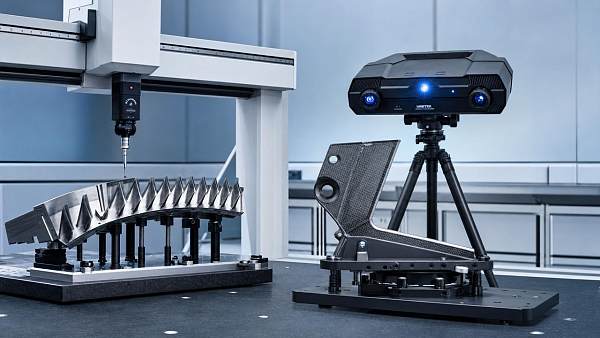
Aerospace Measurement Methods for Large-Part Alignment
Time
Click Count
Aerospace Measurement is fundamental to accurate large-part alignment, where even minor deviations can affect structural integrity, assembly efficiency, and flight performance. For oversized components, the selected method influences repeatability, setup time, traceability, and conformity with strict aerospace quality requirements.
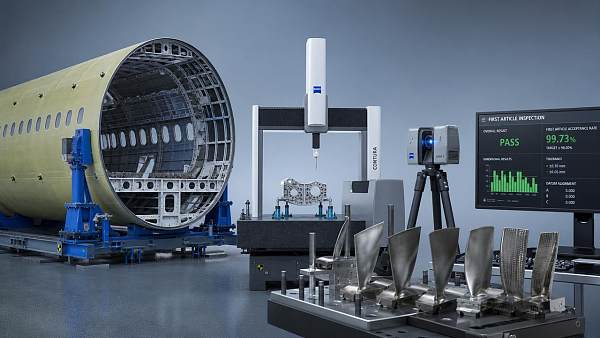
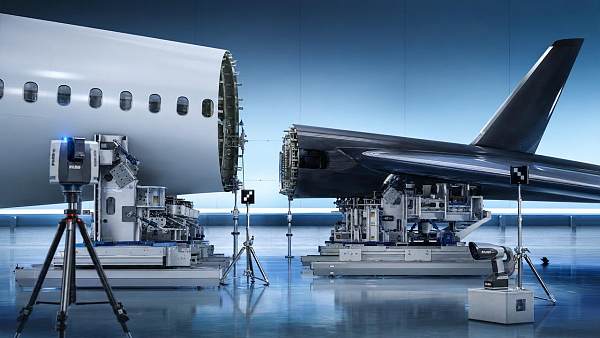
In modern assembly environments, Aerospace Measurement supports the positioning of fuselage sections, wing panels, engine structures, tooling, and composite frames. Large-part alignment is no longer a simple dimensional task. It is a coordinated process linking metrology hardware, reference systems, environmental control, and digital data workflows.
This article outlines key Aerospace Measurement methods for large-part alignment, explains current industry priorities, and provides practical guidance for selecting a reliable measurement strategy across complex industrial settings.
Definition and Scope of Aerospace Measurement for Alignment
Aerospace Measurement refers to the disciplined acquisition of dimensional, positional, angular, and geometric data for aerospace parts and assemblies. In large-part alignment, the goal is to place components within defined tolerances relative to a common datum structure.
Unlike bench inspection, large-part alignment often occurs in open assembly bays. Parts may deform under gravity, shift with temperature, or require repeated repositioning. Therefore, Aerospace Measurement must combine scale, precision, speed, and environmental awareness.
Typical alignment tasks include:
- Establishing aircraft or tooling datums
- Locating mating holes, edges, and interfaces
- Verifying gap and flush conditions
- Monitoring fixture movement during assembly
- Comparing measured geometry with CAD models
The most effective Aerospace Measurement approach depends on part size, tolerance band, access limitations, required reporting, and the level of process integration needed on the shop floor.
Industry Context and Current Priorities
Large aerospace structures are becoming more integrated, more composite-intensive, and more digitally controlled. This raises the performance expectations placed on Aerospace Measurement systems and alignment methods.
Several industry signals are shaping alignment strategy today:
These pressures explain why Aerospace Measurement has evolved beyond isolated instruments. It now operates as a technical layer connecting geometry, process control, and compliance management.
Core Aerospace Measurement Methods for Large-Part Alignment
No single method fits every alignment task. The strongest results often come from combining technologies according to tolerance, reach, and workflow constraints.
Laser Tracker Systems
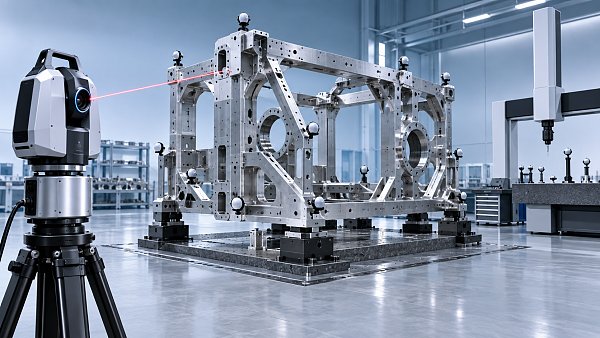
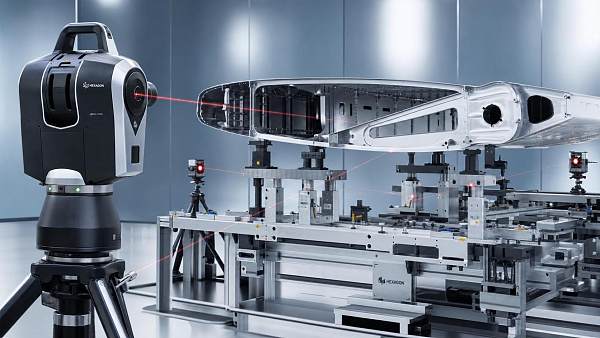
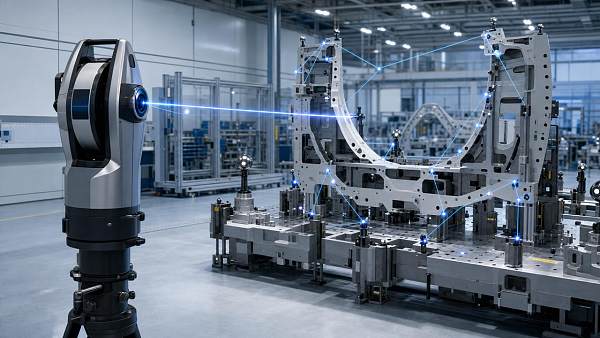
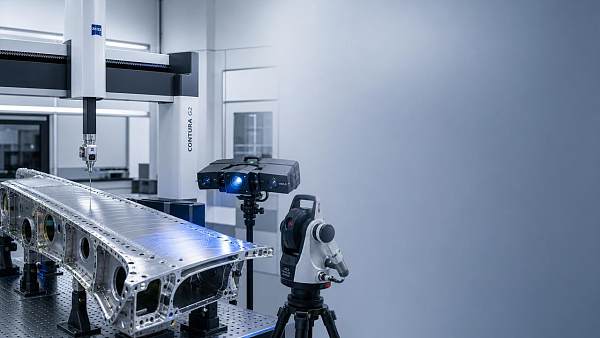
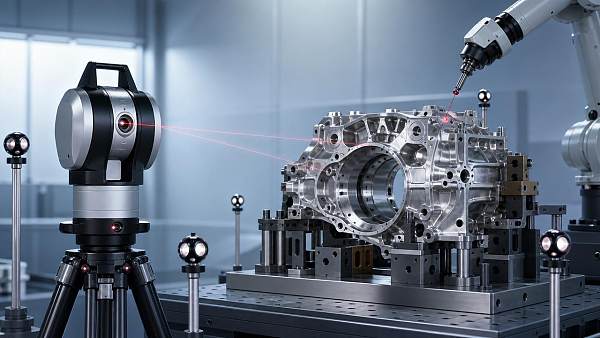
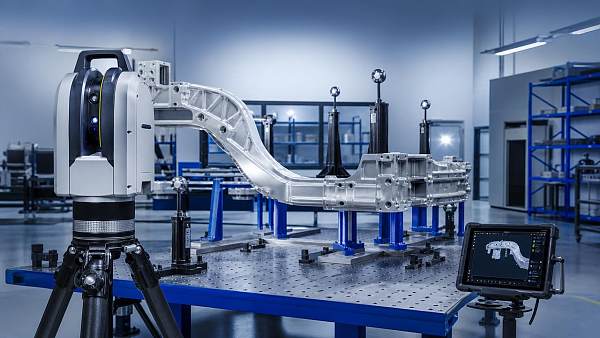
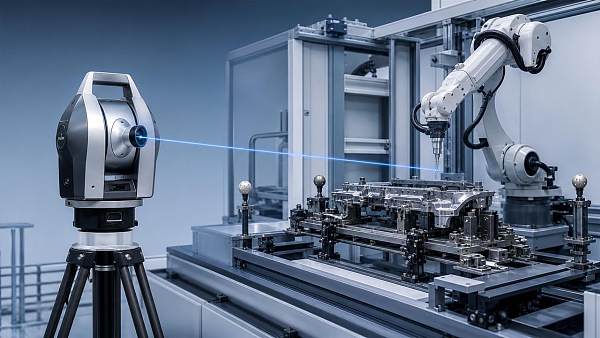
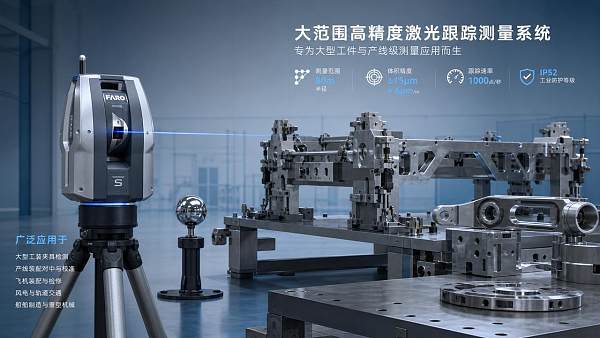
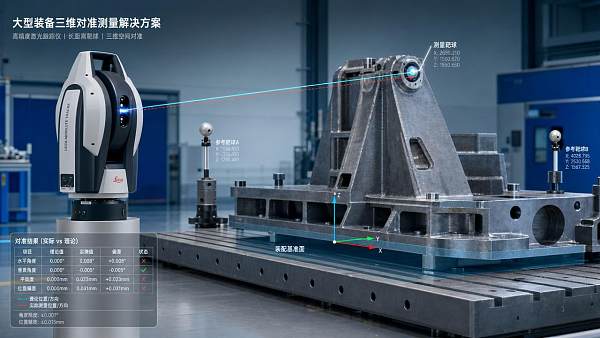
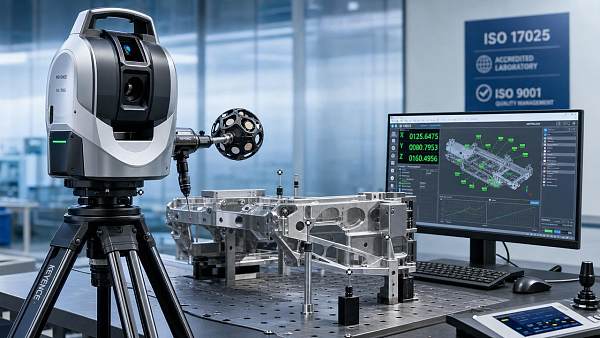
Laser trackers are widely used in Aerospace Measurement for large assemblies. They provide high-accuracy coordinate capture over long distances and are effective for tooling setup, fuselage alignment, and interface verification.
Their main advantages include portability, direct coordinate output, and compatibility with reflective targets or probing accessories. They are especially useful when a common datum network must be maintained across a wide assembly zone.
Photogrammetry
Photogrammetry uses multiple images to calculate three-dimensional coordinates. In Aerospace Measurement, it is valuable for capturing large spatial relationships quickly, especially on expansive structures with many reference points.
This method performs well for initial alignment studies, deformation mapping, and large tooling verification. It can complement laser trackers by adding faster broad-area coverage.
3D Laser Scanning
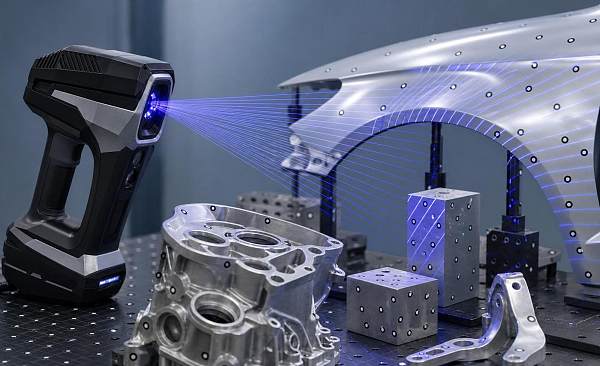
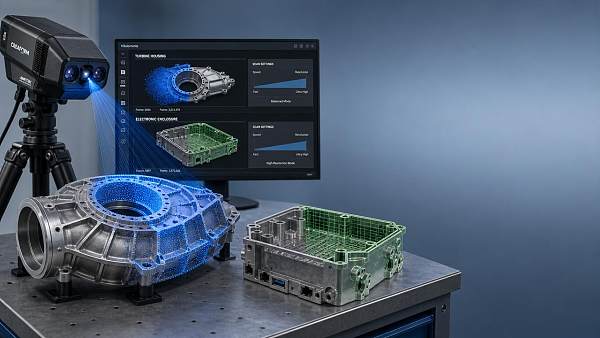
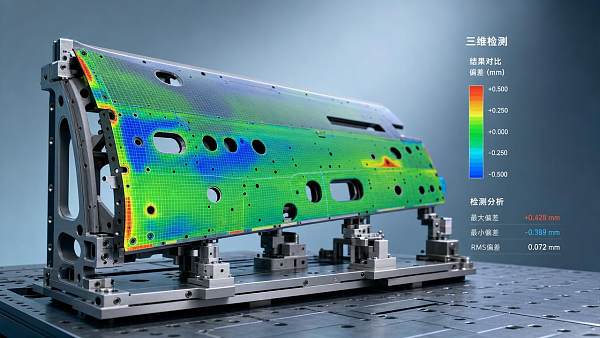
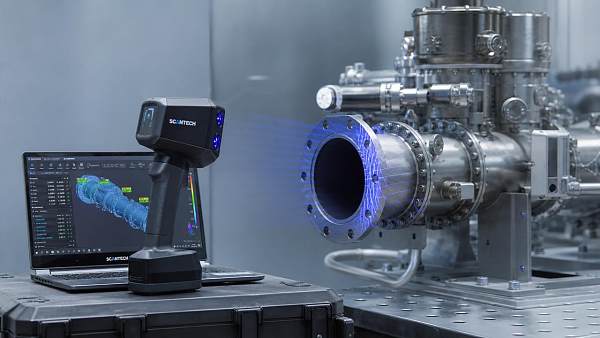
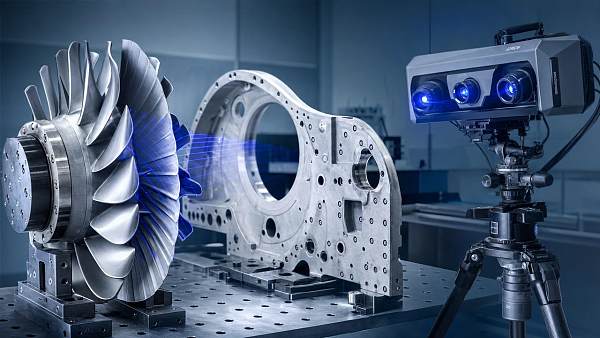
3D scanning creates dense point clouds from visible surfaces. For Aerospace Measurement, it supports contour comparison, surface analysis, edge detection, and as-built documentation of large parts.
Scanning is useful when alignment depends on surface form rather than a few discrete points. However, it usually requires careful registration, filtering, and data processing before decisions are made.
Portable CMM and Articulated Arms
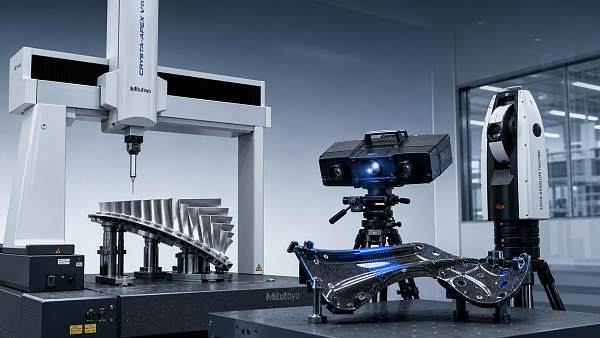
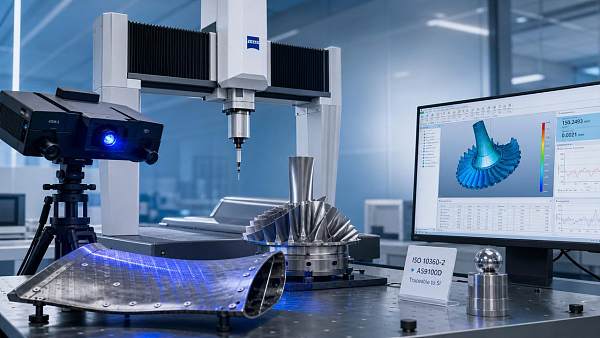
Portable CMM devices and articulated arms support local feature inspection. In Aerospace Measurement, they are often applied to hole locations, edge distances, brackets, and accessible subassemblies near the main structure.
They offer flexibility and tactile confidence but are less suitable for very large global alignment unless tied into a broader coordinate strategy.
Optical Theodolites and Total Stations
These methods remain relevant in some Aerospace Measurement workflows. They are robust for angle-based positioning, line establishment, and fixture checks, especially where legacy processes or large infrastructure layouts are involved.
Business and Operational Value of Accurate Alignment
Effective Aerospace Measurement delivers value well beyond dimensional compliance. Alignment quality directly influences assembly flow, rework exposure, and long-term structural consistency.
- Lower rework by detecting positional drift early
- Shorter setup time through guided measurement routines
- Better mating accuracy for multi-section assemblies
- Improved traceability for audits and regulatory review
- Stronger confidence in digital manufacturing handoff
For complex industrial programs, Aerospace Measurement also supports capacity planning. When alignment data is stable and comparable across stations, process variation becomes easier to diagnose and control.
This is where institutions such as G-IMS add value. Independent benchmarking across advanced metrology, photonic sensing, non-contact vision, and standards-based validation helps organizations compare system capability against practical aerospace requirements.
Typical Large-Part Alignment Scenarios
Different structures require different Aerospace Measurement priorities. The table below summarizes common scenarios and suitable method choices.
Practical Selection and Implementation Considerations
Choosing an Aerospace Measurement method should begin with the alignment objective, not the instrument brand. A technically sound selection process usually includes the following checks.
- Define tolerance targets at both global and local levels.
- Identify datum features and transfer strategy across stations.
- Review environmental variables such as vibration and temperature.
- Confirm software compatibility with CAD and reporting systems.
- Establish calibration and uncertainty control procedures.
- Validate the method under real production conditions.
Environmental stability is often underestimated. In large-bay Aerospace Measurement, thermal expansion and line-of-sight interruptions can create misleading alignment shifts. Compensation models and disciplined setup routines are therefore essential.
Data management matters as much as instrument accuracy. If Aerospace Measurement results cannot be traced, compared, and reused, alignment improvements remain isolated and difficult to scale.
Actionable Next Steps for Stronger Aerospace Measurement Outcomes
A reliable large-part alignment program starts with a structured review of current measurement capability. Map critical assemblies, tolerance risks, existing datum strategies, and environmental constraints before adding new equipment.
Then compare candidate Aerospace Measurement methods against measurable criteria: range, uncertainty, portability, operator workflow, software integration, and audit readiness. A pilot study on one representative assembly can reveal practical fit quickly.
Where higher confidence is required, benchmark systems against independent technical references and recognized standards such as ISO/IEC 17025, IEEE guidance, and NIST-traceable practices. This helps align equipment decisions with real production performance.
Aerospace Measurement remains a decisive capability for large-part alignment. When method selection is tied to geometry, environment, and process data, alignment becomes faster, more repeatable, and more defensible across advanced industrial operations.
Recommended News
 Sep 21, 2026When do laser trackers outperform fixed industrial measurement systems?Industrial Measurement Systems compared: learn when laser trackers deliver better portability, alignment accuracy, and cost efficiency for large, changing assemblies.
 Jul 08, 2026Handheld 3D Laser Scanner Accuracy: What Matters in Field UseHandheld 3d laser scanner accuracy depends on more than specs. Learn how surface, calibration, operator motion, environment, and software impact reliable field results.
 Jul 03, 2026Industrial 3D Laser Scanning Systems for Large-Part InspectionIndustrial 3D laser scanning systems help manufacturers inspect large parts with speed, accuracy, and traceable workflows. Explore key selection criteria for better quality decisions.
 Jun 30, 2026Laser Tracking System Updates: What Changed in Accuracy and WorkflowLaser tracking system updates explained: discover what changed in accuracy, target reacquisition, software integration, and workflow efficiency to improve inspection confidence and productivity.
 Jun 29, 20263D Laser Scanning Systems in Europe: Key Specs That Change Project Cost3D laser scanning systems Europe: discover how accuracy, range, speed, software compatibility, and compliance directly impact project cost, risk, and long-term ROI.
 May 28, 2026Aerospace Metrology Tender Alerts: How to Spot Viable BidsMetrology tender alerts aerospace teams rely on can uncover high-value bids. Learn how to spot viable aerospace contracts, assess compliance, reduce risk, and bid with confidence.
 May 23, 2026Laser Tracker Manufacturer Comparison for Large AssemblyLaser tracker manufacturer comparison for large assembly: evaluate accuracy, stability, software integration, and lifecycle support to reduce alignment risk and improve throughput.
 May 22, 2026Advanced Metrology Solutions for Aerospace: Compare Before UpgradingAdvanced Metrology Solutions for Aerospace compared the smart way—evaluate accuracy, integration, compliance, and lifecycle cost before upgrading. Discover a faster, lower-risk path to better inspection results.
 May 20, 2026Aerospace Measurement Errors That Delay First Pass YieldAerospace Measurement errors can quietly reduce first pass yield. Learn where hidden uncertainty starts, how it delays production, and what to fix first for faster, more reliable aerospace output.
 May 19, 2026Next-Gen Laser Tracking: Accuracy vs SpeedNext-gen laser tracking technology news explained: learn when accuracy should lead and when speed drives value, with a practical checklist for smarter production decisions.
 May 17, 20263D Scanning Speed vs Resolution for Reverse Engineering3d scanning speed vs resolution explained for reverse engineering: learn how to balance scan speed, detail, accuracy, and workflow efficiency to reduce rework and choose smarter.
 May 15, 2026Laser Tracker Manufacturer Selection: Accuracy, Software, ServiceLaser tracker manufacturer selection now goes beyond accuracy. Compare software, calibration, integration, and service support to reduce risk and improve long-term measurement value.
 May 14, 2026Advanced Metrology Solutions for Aerospace: Where Accuracy Pays OffAdvanced Metrology Solutions for Aerospace help reduce risk, improve traceability, and boost production confidence with smarter inspection strategies for precision-critical programs.
 May 13, 2026Aerospace Measurement Methods for Large-Part AlignmentAerospace Measurement methods for large-part alignment: compare laser trackers, photogrammetry, 3D scanning, and portable CMMs to improve accuracy, traceability, and assembly efficiency.
 May 13, 20263D Scanning for Aerospace: Tolerance Risks to Watch Early3D Scanning for aerospace helps detect tolerance drift, datum errors, and assembly risks early—improving quality, compliance, and delivery confidence before delays grow costly.
 May 12, 2026Next-Gen Laser Tracking Technology News That MattersNext-gen laser tracking technology news reveals what truly impacts precision, automation, traceability, and ROI. Discover the updates that help teams reduce risk and make smarter investment decisions.
 May 09, 2026Innovations in Handheld 3D Scanning for Faster Field MeasurementInnovations in handheld 3D scanning are accelerating field measurement with faster capture, real-time validation, and portable accuracy—discover how teams reduce rework and speed decisions.
 May 07, 2026How Much Laser Tracker Measurement Range Do You Actually Need?Laser tracker measurement range: find the right fit for your plant. Learn how to balance accuracy, setup efficiency, and ROI to avoid overspending and choose smarter.
 May 07, 2026Laser Tracker Angular Accuracy vs Real-World Alignment ErrorsLaser tracker angular accuracy is only the start. Learn how setup, thermal drift, geometry, and operator practice drive real-world alignment errors before you trust critical measurement data.
 May 05, 2026Laser Tracker Manufacturer Checklist for High-Accuracy ProjectsLaser tracker manufacturer checklist for high-accuracy projects: compare accuracy, service, compliance, and total cost to choose the right supplier with confidence.
 May 04, 2026Advanced Metrology Solutions for Aerospace: When Higher Precision Pays OffAdvanced Metrology Solutions for Aerospace help reduce compliance risk, improve supplier qualification, and control lifecycle costs—see when higher precision delivers stronger ROI.
 May 03, 2026What to Ask Before Choosing a 3D Scanning Supplier3D Scanning supplier selection starts with the right questions. Learn how to evaluate accuracy, workflow, compliance, costs, and support to choose a supplier with confidence.
 May 03, 20263D Scanning for Aerospace: When Accuracy Changes the Outcome3D Scanning for aerospace helps teams catch deviations earlier, reduce rework, and improve traceable quality decisions—see how accuracy can reshape safety, schedule, and program outcomes.
 May 02, 2026Aerospace Measurement Challenges That Standard QA Often MissesAerospace Measurement risks often hide beyond standard QA. Learn the overlooked accuracy, traceability, and compliance challenges that impact safety—and how to detect them earlier.