High Accuracy Quality Control Systems Explained
Time
Click Count
High Accuracy Quality Control Systems Explained
High Accuracy Quality Control Systems are no longer optional in precision manufacturing.
They shape how teams detect drift, prevent defects, and prove compliance.
That matters even more in semiconductor, aerospace, electronics, and advanced industrial inspection.
In these settings, a tiny measurement error can trigger large financial and operational losses.
Modern platforms do much more than inspect finished parts.
They connect sensors, software, analytics, and standards into one decision framework.
This is why High Accuracy Quality Control Systems now sit close to process control and supplier qualification.
The real value is not raw data alone, but faster and more reliable action.
What High Accuracy Quality Control Systems Actually Include
At a practical level, these systems combine measurement hardware with decision software.
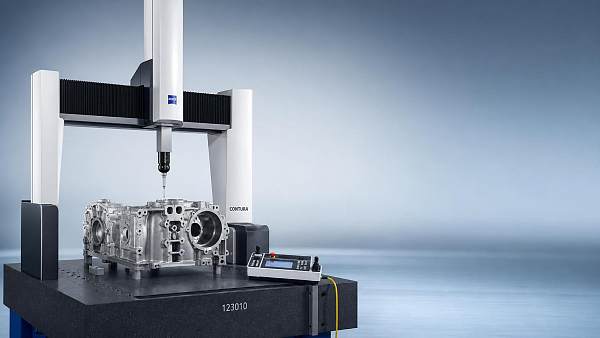
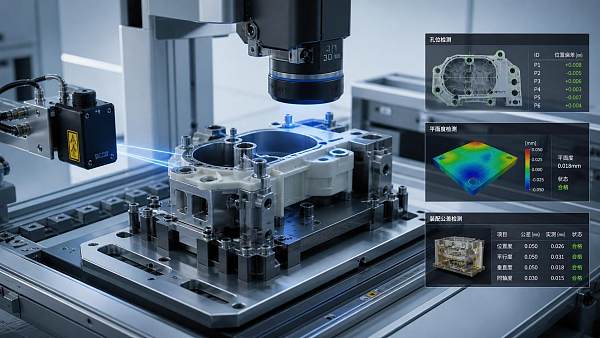
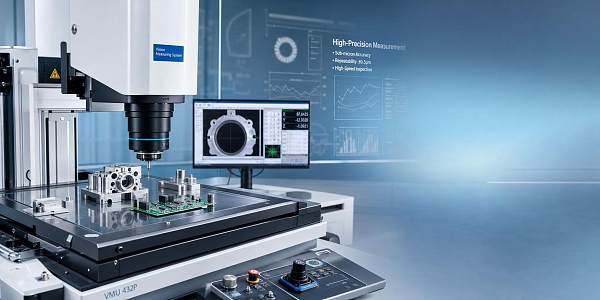
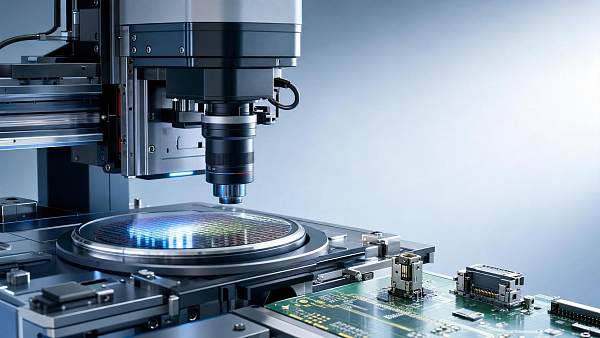
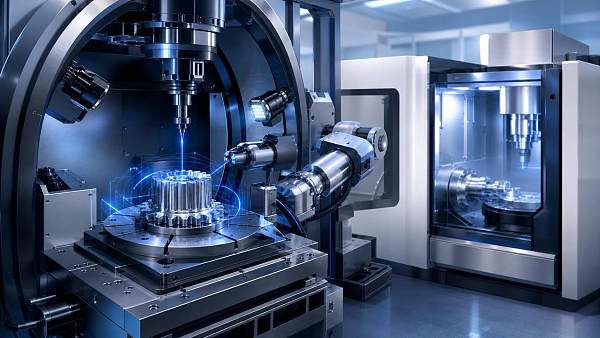
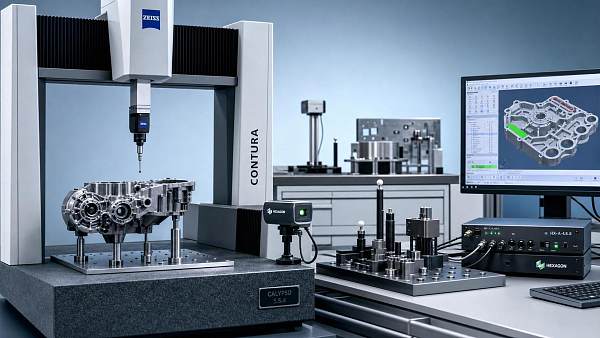
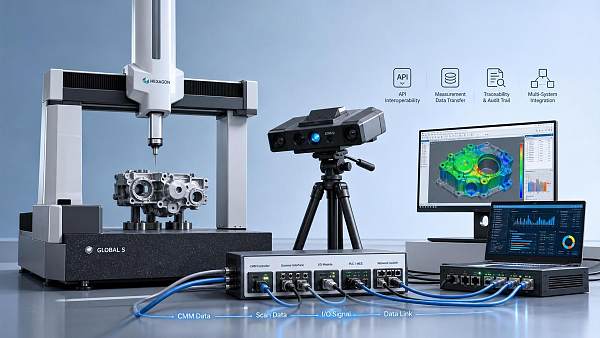
The hardware may include CMMs, optical scanners, machine vision, laser profilers, and electrical test tools.
The software layer manages acquisition, traceability, statistical analysis, and alarm logic.
A strong platform also links measurement results to MES, SPC, and digital quality records.
From recent market changes, one clear signal stands out.
Buyers want systems that support both precision and response speed.
That means High Accuracy Quality Control Systems must work in labs and on production lines.
- Measurement layer: captures dimensional, optical, electrical, or surface data.
- Analytics layer: converts raw signals into tolerances, trends, and capability metrics.
- Control layer: triggers pass or fail decisions and process adjustments.
- Compliance layer: preserves traceability against ISO, IEC, IEEE, and NIST references.
Why Accuracy Is Only Part of the Story
Many teams focus first on measurement resolution.
That is important, but it is not enough for a robust quality strategy.
High Accuracy Quality Control Systems must also deliver repeatability, reproducibility, and stable calibration.
Without those factors, high nominal accuracy can create false confidence.
In real operations, measurement uncertainty influences every release decision.
It affects acceptance thresholds, supplier approval, and root cause analysis.
This also means system architecture matters as much as sensor specifications.
A good evaluation usually checks several questions.
- Can the system maintain precision across temperature and vibration changes?
- Does it support gauge R&R and uncertainty reporting?
- Can it scale from offline validation to inline inspection?
- Are calibration records easy to audit?
- Does the software flag trend shifts before defects escalate?
Core Technologies Behind Modern Systems
Today’s High Accuracy Quality Control Systems rely on a mix of sensing technologies.
Each one fits different tolerances, materials, throughput needs, and risk profiles.
Metrology and 3D scanning
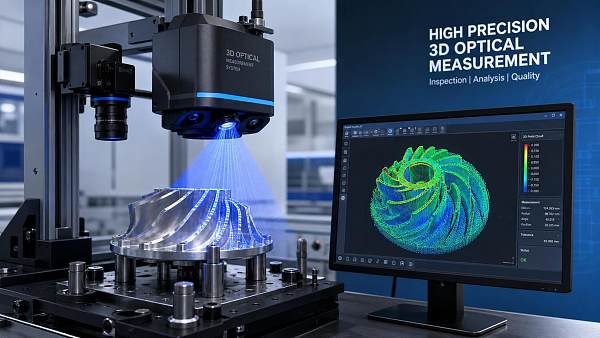
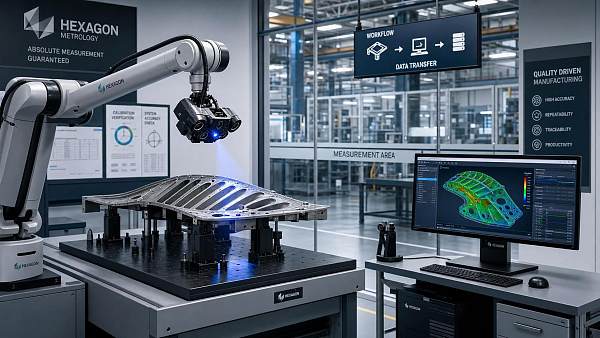
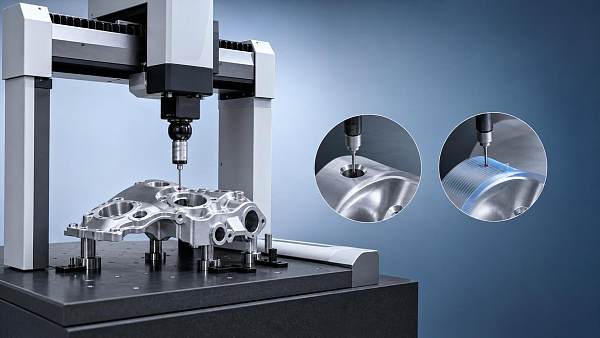
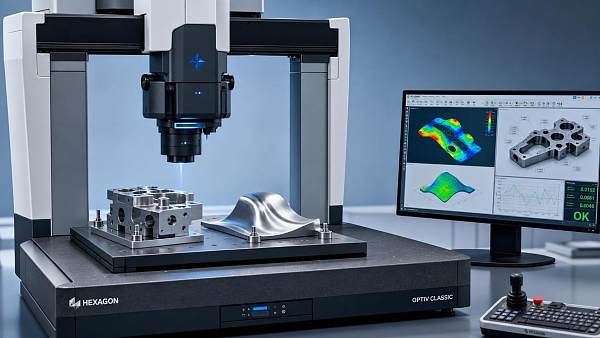
CMMs and 3D scanners remain central for dimensional verification.
They support tight-tolerance parts, complex geometries, and detailed surface mapping.
Industrial optics and photonic sensors
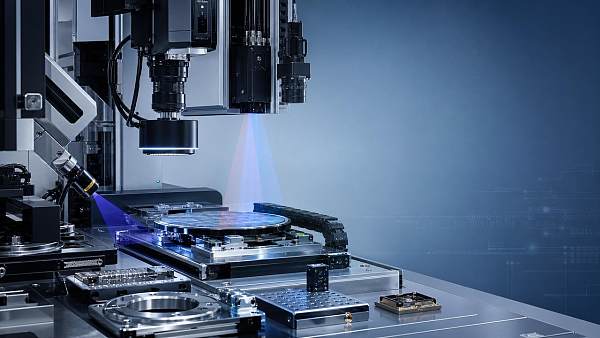
Optical sensors help where contact methods risk damage or slow throughput.
Laser triangulation, confocal sensing, and interferometry improve non-contact precision.
Vision inspection systems
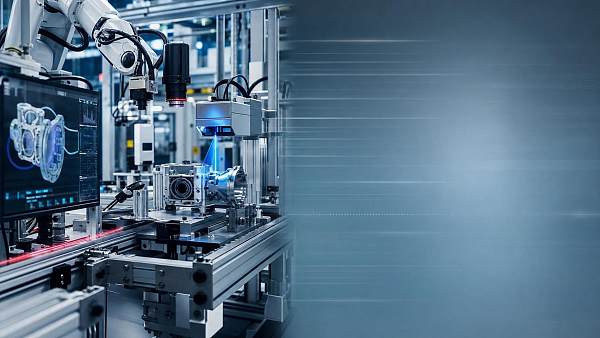
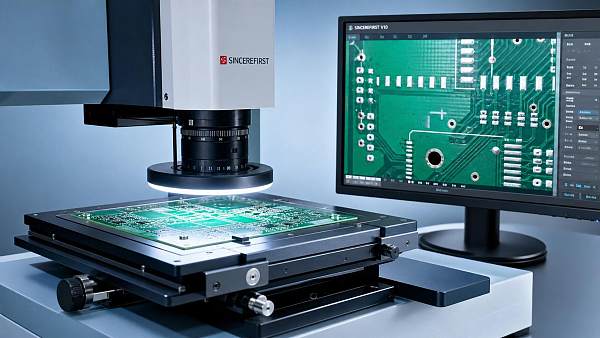
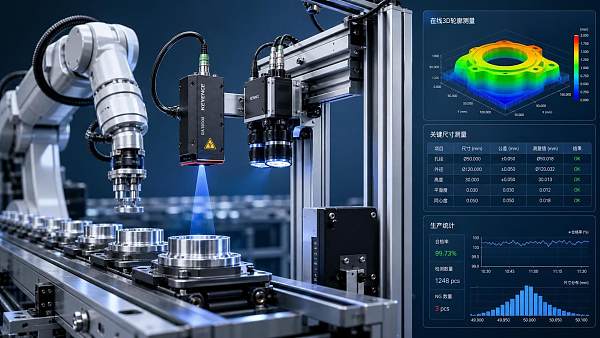
Machine vision identifies cosmetic defects, alignment issues, and assembly variation.
AI models can increase detection consistency when image conditions are tightly controlled.
Electrical and high-frequency measurement
For electronics and RF products, signal integrity is part of quality control.
That pushes High Accuracy Quality Control Systems beyond geometry into functional validation.
How Standards Shape System Selection
Technical performance alone does not define a credible solution.
Selection decisions increasingly depend on standards alignment and audit readiness.
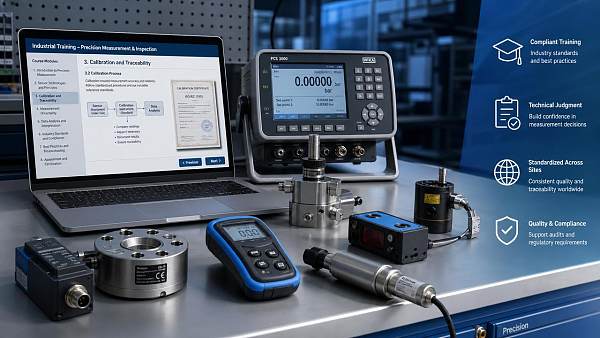
ISO/IEC 17025 remains a key benchmark for calibration and laboratory competence.
IEEE references matter for electrical and signal measurement contexts.
NIST traceability strengthens confidence in reference standards and comparison methods.
For global manufacturing groups, this reduces cross-site variation and procurement risk.
Common Evaluation Mistakes to Avoid
In actual procurement work, several mistakes appear again and again.
Most of them come from evaluating components instead of the whole quality workflow.
- Choosing maximum accuracy without checking production cycle time.
- Ignoring software interoperability with MES, ERP, or SPC tools.
- Overlooking operator skill requirements and training burden.
- Treating AI inspection as reliable without validating training data quality.
- Failing to compare calibration intervals and maintenance downtime.
These issues can weaken the value of High Accuracy Quality Control Systems.
A better approach links technical metrics to business risk and process impact.
What Strong Benchmarking Looks Like
A useful benchmark compares systems under realistic operating conditions.
That includes part variability, environmental drift, throughput demand, and reporting needs.
This is where institutions such as G-IMS create practical value.
A multidisciplinary view helps compare metrology, optics, electrical testing, and vision inspection in one framework.
That also supports more consistent decisions across international production sites.
When benchmarking High Accuracy Quality Control Systems, focus on these areas.
- Measurement capability under real part and material conditions.
- Data integrity across acquisition, storage, and reporting layers.
- Alarm quality, false reject rates, and missed defect risk.
- Serviceability, calibration support, and supplier technical depth.
- Regulatory fit for present and future audit demands.
A Practical Path Forward
High Accuracy Quality Control Systems work best when treated as decision infrastructure.
They are not just inspection devices sitting at the end of a production line.
The strongest systems connect precision sensing with analytics, traceability, and operational response.
That combination reduces defects, improves process control, and supports better investment decisions.
More importantly, it gives organizations a defensible path toward zero-defect performance.
If the goal is confident technology selection, start with risk, standards, and measurable operating needs.
Then compare High Accuracy Quality Control Systems as complete quality ecosystems.
That is usually where clearer benchmarking and better long-term performance begin.
Recommended News
 Aug 15, 2026How to benchmark a metrology system before making a purchaseMetrology system benchmarking helps buyers compare accuracy, repeatability, compliance, and total cost before purchase.
 Aug 13, 2026How to Compare Bridge Coordinate Measurement Systems for Accuracy, Volume, and ThroughputBridge coordinate measurement systems compared the smart way: learn how to balance accuracy, measurement volume, and throughput to choose a CMM that fits real parts, workflows, and production goals.
 Aug 12, 2026How to Evaluate Industrial Measurement Systems for Assembly Tolerance ControlIndustrial measurement systems for assembly: learn how to evaluate accuracy, repeatability, integration, and cycle time to improve tolerance control and avoid costly selection mistakes.
 Jul 18, 2026How to Evaluate Automatic Vision Measuring Machines for Accuracy and ThroughputAutomatic Vision Measuring Machines: learn how to evaluate accuracy, repeatability, software, and real-world throughput to choose a system that boosts quality and production confidence.
 Jul 12, 2026How to Compare 3D Optical Measurement Systems for Tight-Tolerance Parts3D optical measurement systems for tight-tolerance parts: learn how to compare accuracy, repeatability, surface handling, software, and traceability to choose with confidence.
 Jul 11, 2026Inline Metrology System Pricing: What Drives Total Cost in 2026Inline metrology system pricing in 2026 depends on more than hardware. Learn the real cost drivers—software, integration, uptime, and ROI—to compare vendors and approve budgets with confidence.
 Jul 11, 2026Non-Contact Metrology System for Electronics: Key Accuracy FactorsNon-contact metrology system for electronics: discover the key factors behind true accuracy, from optics and calibration to software, drift, and reflective surfaces.
 Jul 10, 2026When a Measurement Platform for Automation Improves ThroughputMeasurement platform for automation boosts throughput by speeding inspection, reducing drift, and enabling faster corrective action. See how smarter measurement drives yield, quality, and ROI.
 Jul 09, 2026Vision Measuring Machines for PCB Inspection: What Affects Accuracy MostVision Measuring Machines for PCB inspection: discover the key factors that impact accuracy most, from optics and lighting to calibration and software, and learn how to improve PCB quality control.
 Jul 09, 20263D Scanning Factory Setup: Common Errors and How to Avoid Them3D scanning factory setup often fails before launch due to poor planning, weak validation, and disconnected data. Learn the common errors and how to avoid costly rework.
![]() Jul 07, 2026Automated Dimensional Measurement Systems: Key Accuracy Limits to CheckAutomated dimensional measurement systems: learn the key accuracy limits to check, from calibration drift to environmental effects, and compare platforms with confidence.
Jul 07, 2026Automated Dimensional Measurement Systems: Key Accuracy Limits to CheckAutomated dimensional measurement systems: learn the key accuracy limits to check, from calibration drift to environmental effects, and compare platforms with confidence. Jul 06, 2026Closed Loop Automated Metrology for Faster Process ControlClosed loop automated metrology helps manufacturers speed process control, reduce scrap, and correct variation in real time. Learn how it improves quality, uptime, and production stability.
 Jul 03, 2026How to Compare an Aerospace Measurement Supplier Beyond PriceAerospace measurement supplier selection goes beyond price. Learn how to compare calibration, traceability, software, service, and lifecycle value to reduce risk.
 Jul 03, 2026Industrial Measurement Equipment Cost: What Drives the BudgetIndustrial measurement equipment cost depends on more than price. Learn what drives budget, hidden lifecycle expenses, compliance, software, and downtime risk to compare options smarter.
 Jul 02, 2026Choosing a Non-Contact Metrology System for AutomationNon-contact metrology system for automation: learn how to balance accuracy, speed, integration, and ROI to choose a solution that improves quality and keeps production moving.
 Jul 02, 2026Touch Probe vs Scanning CMM: Which Fits Better?Coordinate Measuring Machines touch probe or scanning CMM? Compare speed, data depth, and cost to choose the best fit for your inspection needs.
 Jul 02, 2026How Inline Metrology Improves Manufacturing YieldManufacturing inline metrology helps improve yield by catching drift, defects, and process variation in real time. Learn how the right fit boosts quality, control, and throughput.
 Jul 01, 2026Coordinate Measuring Machines Optical: Selection Guide by Use CaseCoordinate Measuring Machines optical selection starts with use case. Learn how to match accuracy, throughput, geometry, and data workflow to choose the right system.
 Jun 24, 2026Smart Hotel Energy Efficiency: Where Savings Actually Come FromSmart hotel energy efficiency starts with better measurement and control—not just new devices. Learn where real hotel energy savings come from and how to improve comfort, performance, and ROI.
 Jun 18, 2026Metrology Software API Interoperability: Key Checks Before IntegrationMetrology software API interoperability explained: learn the 6 key checks to verify data integrity, traceability, scalability, and compliance before integration.
 Jun 15, 2026High Accuracy Quality Control Systems ExplainedHigh Accuracy Quality Control Systems explained: learn how precision metrology, analytics, and traceable standards reduce defects, improve compliance, and strengthen smarter manufacturing decisions.
![]() Jun 09, 2026Non-Contact Metrology System OEM: 7 Checks Before Supplier SelectionNon-contact metrology system OEM selection starts with the right checks. Discover 7 practical ways to verify accuracy, traceability, integration, support, and total cost before choosing a supplier.
Jun 09, 2026Non-Contact Metrology System OEM: 7 Checks Before Supplier SelectionNon-contact metrology system OEM selection starts with the right checks. Discover 7 practical ways to verify accuracy, traceability, integration, support, and total cost before choosing a supplier. Jun 08, 2026Digital Transformation Roadmap: Where to Start and What to MeasureDigital transformation starts with the right roadmap. Learn where to begin, what metrics matter most, and how to turn disconnected data into faster decisions and measurable results.
 Jun 07, 2026E-Learning Platforms: Common Adoption Problems and FixesE-learning adoption often fails when platforms miss real technical workflows. Discover common e-learning problems, practical fixes, and smarter ways to improve compliance, onboarding, and skills transfer.