How Smart Water Management Cuts Utility Waste
Time
Click Count
How Smart Water Management Cuts Utility Waste
Smart Water Management is no longer a side project for sustainability teams.
It now shapes cost control, risk reduction, and operational resilience.
For large facilities, water waste often hides inside normal operations.
Leaks, overuse, poor visibility, and delayed response quietly inflate utility bills.
That is why Smart Water Management matters beyond compliance or corporate reporting.
It turns fragmented consumption data into actionable decisions.
It also helps organizations connect measurement, alerts, and operational action.
In practical terms, that means less waste, tighter control, and better asset performance.
Why utility waste remains harder to see than energy waste
Water losses rarely announce themselves as clearly as power failures.
A slow leak can continue for weeks without triggering urgent attention.
Over-irrigation, inefficient cleaning cycles, and unstable process demand create similar problems.
Many sites still depend on monthly bills or manual meter checks.
By the time anomalies appear, the cost has already landed.
More importantly, the root cause often remains unclear.
Smart Water Management changes that timing.
Instead of reactive reviews, it enables continuous visibility across assets, zones, and processes.
That visibility becomes especially valuable in manufacturing, campuses, logistics sites, and mixed-use facilities.
What Smart Water Management actually includes
A strong Smart Water Management program is built on measurement, connectivity, and response.
It is not just a digital meter on a wall.
It combines sensing hardware, data logic, and operational workflows.
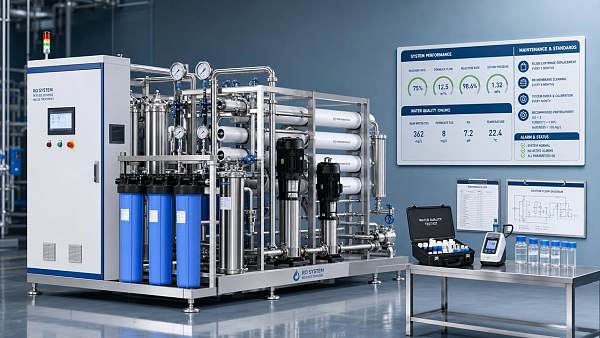
At the site level, the most effective systems usually include:
- Smart meters for mains, zones, and critical processes.
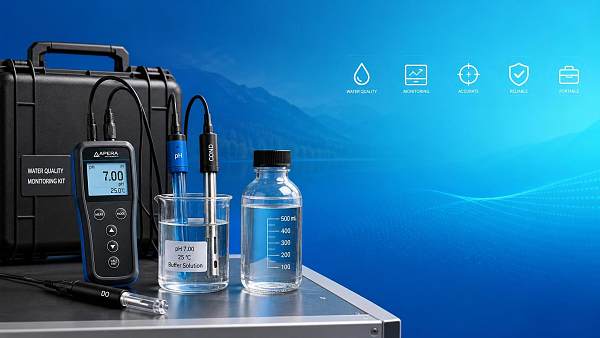
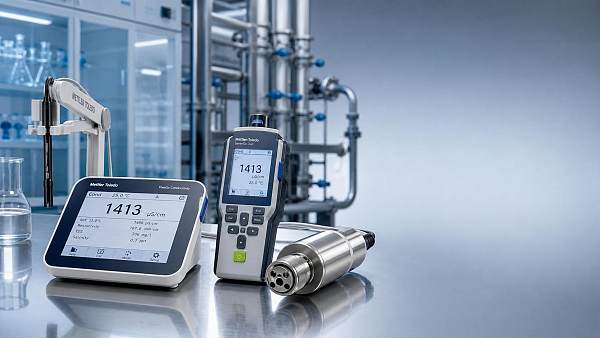
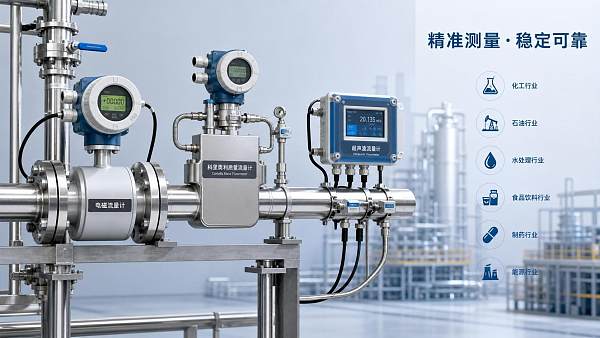
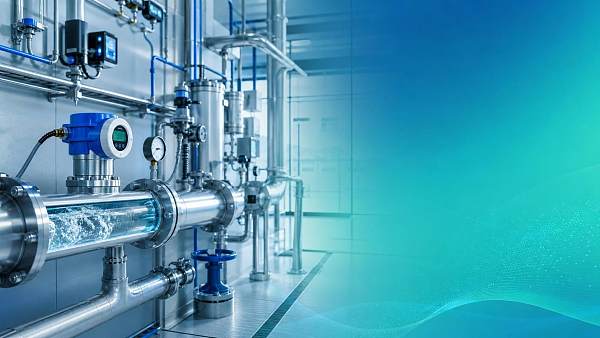
- Flow, pressure, level, and quality sensors for key assets.
- Real-time dashboards that show baseline use and abnormal patterns.
- Alarm logic for leaks, spikes, backflow, or off-hours consumption.
- Integration with maintenance, building, or process control systems.
This is where the G-IMS perspective becomes useful.
Reliable Smart Water Management depends on trustworthy measurement and sensor performance.
Without strong benchmarking, data quality problems can weaken every later decision.
In high-precision environments, that risk is too expensive to ignore.
How Smart Water Management cuts waste in daily operations
The biggest gains usually come from small failures caught early.
A valve that does not close fully can waste thousands of liters.
A cooling loop imbalance can drive unnecessary water draw every hour.
Cleaning processes often continue longer than required because nobody sees live consumption.
Smart Water Management helps teams detect these patterns before they become normal.
The mechanism is straightforward.
- Measure water use at a level detailed enough to identify true sources.
- Build a baseline by shift, line, building, or operating condition.
- Flag deviations in real time instead of waiting for billing cycles.
- Trigger maintenance or process correction through defined response rules.
- Track savings and confirm whether the corrective action worked.
This closed loop is what makes Smart Water Management operational, not theoretical.
It reduces waste because teams act on evidence, not assumptions.
High-impact use cases across industrial and commercial sites
Not every site loses water in the same way.
Still, several application patterns show consistent return.
Process manufacturing
Production lines often hide unstable rinse, cooling, or washdown consumption.
Smart Water Management reveals process drift before quality or cost impacts escalate.
Commercial buildings and campuses
Restrooms, cooling systems, irrigation, and tenant areas often create scattered losses.
Zone-based monitoring helps isolate waste without disrupting the whole property.
Data centers and critical infrastructure
Cooling resilience is tightly linked to water reliability and consumption control.
Smart Water Management supports both uptime and utility efficiency.
Food, pharma, and precision environments
These sites need stronger traceability, hygiene control, and regulatory confidence.
That makes sensor quality, calibration discipline, and alert accuracy especially important.
The business case: beyond lower water bills
Cost savings are usually the easiest benefit to quantify.
But the full value of Smart Water Management is broader.
- It lowers the risk of asset damage from hidden leaks or pressure issues.
- It supports compliance reporting with more defensible operational data.
- It improves forecasting for utility budgets and site expansion planning.
- It helps maintenance teams prioritize work based on actual water behavior.
- It strengthens resilience where supply constraints or drought risks are rising.
From a leadership perspective, this matters for capital allocation.
Utility efficiency projects compete with many other priorities.
Smart Water Management stands out when it links savings to reliability, compliance, and operational control.
Common implementation mistakes that reduce results
Many programs underperform for avoidable reasons.
One common mistake is installing too few measurement points.
If all water data comes from one master meter, root causes remain hidden.
Another mistake is ignoring sensor quality and calibration performance.
Poor data leads to false alarms, missed leaks, and weak trust.
Some sites also stop at dashboards.
Visibility alone does not cut waste unless response workflows are defined.
A final issue is weak ownership across operations, maintenance, and finance.
Smart Water Management works best when all three functions share the same baseline and targets.
A practical roadmap for getting started
The most effective rollout is usually phased.
That keeps risk controlled while proving value early.
- Map the biggest water users, highest-risk assets, and known problem areas.
- Install sub-metering where consumption is material or difficult to explain.
- Set operating baselines by time, production state, and occupancy pattern.
- Define alarms with clear escalation rules and ownership.
- Review results monthly and expand only after savings are validated.
This measured approach reduces wasted capital and builds internal confidence.
It also creates a stronger foundation for broader digital utility management.
Turning measurement into action
Smart Water Management delivers the most value when measurement leads to action quickly.
That means choosing reliable sensors, meaningful benchmarks, and practical workflows.
For organizations under pressure to reduce waste, this is a realistic place to start.
The fastest gains often come from better visibility, not major infrastructure replacement.
Over time, Smart Water Management becomes more than a utility project.
It becomes a disciplined operating capability that supports cost, resilience, and long-term performance.
The next practical step is simple: identify where water is measured, where it is not, and where action still arrives too late.
Recommended News
 Aug 05, 2026How to Compare Portable Water Quality Sensors for pH, Conductivity, and Field AccuracyPortable water quality sensors compared the right way: learn how to evaluate pH, conductivity, field accuracy, usability, and maintenance before you buy.
 Jul 14, 2026Conductivity Meters Europe: 2026 Market Shifts, Standards, and Buying RisksConductivity meters Europe in 2026: explore market shifts, compliance standards, calibration risks, and smart buying tips to reduce downtime and improve process control.
 Jun 29, 2026Water Treatment Conductivity Sensors: Common Selection Mistakes and FixesWater treatment conductivity sensor selection often fails due to range-only decisions, poor temperature compensation, and installation mistakes. Learn the common errors and practical fixes to improve stability, cut maintenance, and protect process performance.
 Jun 20, 2026Flowmeters Selection Guide for Stable Process ControlFlowmeters selection guide for stable process control: compare technologies, avoid costly mistakes, and choose the right meter for accuracy, uptime, compliance, and smarter operations.
 Jun 20, 2026How Smart Water Management Cuts Utility WasteSmart Water Management helps facilities detect leaks, reduce utility waste, and improve operational resilience with real-time visibility, faster response, and measurable cost savings.
 Jun 17, 2026Industrial Water Management: Key Risks and Control MethodsIndustrial Water management: learn the key risks, early warning signs, and proven control methods to reduce downtime, protect quality, and improve compliance.
 Jun 16, 2026Automatic Backwash Filter OEM Cost Factors ExplainedAutomatic backwash filter OEM cost factors explained: compare materials, micron rating, automation, compliance, and OEM capability to avoid hidden costs and choose the right supplier.
 Jun 14, 2026Clarifier System Factory Checklist: Capacity, Compliance, ServiceClarifier system factory selection goes beyond price. Compare real capacity, compliance records, engineering depth, and after-sales service to reduce risk and choose a reliable long-term partner.
 Jun 13, 2026Reverse Osmosis Maintenance Services: What Affects Service Cost?Reverse Osmosis maintenance services: learn what really drives service cost, from water quality and service scope to technician expertise, downtime risk, and contract value.
 Jun 11, 2026Reverse Osmosis Maintenance Services: Cost Drivers and Service ScopeReverse Osmosis maintenance services explained: compare true cost drivers, service scope, exclusions, and preventive value to reduce downtime and protect membrane life.
![]() Jun 09, 2026High Pressure Pumps for RO Wholesale: Cost, Lead Time, and Failure RisksHigh pressure pumps for RO wholesale: compare true cost, lead time, and failure risks before you buy. Learn how to avoid delays, hidden expenses, and unstable system performance.
Jun 09, 2026High Pressure Pumps for RO Wholesale: Cost, Lead Time, and Failure RisksHigh pressure pumps for RO wholesale: compare true cost, lead time, and failure risks before you buy. Learn how to avoid delays, hidden expenses, and unstable system performance.![]() Jun 09, 2026Digital Twin Platform for Desalination: Key Benefits, Risks, and ROIDigital Twin platform for desalination: explore key benefits, major risks, and practical ROI drivers to cut energy costs, reduce downtime, and make smarter plant investment decisions.
Jun 09, 2026Digital Twin Platform for Desalination: Key Benefits, Risks, and ROIDigital Twin platform for desalination: explore key benefits, major risks, and practical ROI drivers to cut energy costs, reduce downtime, and make smarter plant investment decisions. May 29, 2026Digital Twin for Water Infrastructure Monitoring: Key Data Risks to CheckDigital Twin for water infrastructure monitoring helps reduce data risks by checking sensor accuracy, telemetry gaps, model trust, cybersecurity, and interoperability.