High Frequency Measurement: 2026 Selection Guide
Time
Click Count
High Frequency Measurement is no longer a niche requirement. It now shapes signal integrity, compliance, validation speed, and lifecycle reliability across modern industrial and R&D systems.
In 2026, better selection depends on more than headline bandwidth. Buyers must compare dynamic range, calibration traceability, software workflow, fixture design, and upgrade paths together.
This guide explains how to evaluate High Frequency Measurement solutions with practical questions, comparison criteria, and risk controls for advanced test environments.
What does High Frequency Measurement include in 2026?
High Frequency Measurement covers electrical testing in RF, microwave, millimeter-wave, and emerging sub-THz ranges used in validation, production, and failure analysis.
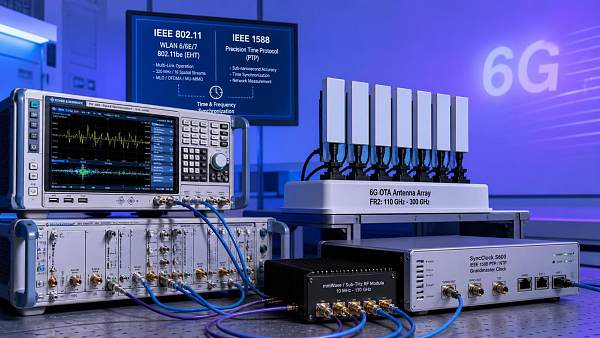
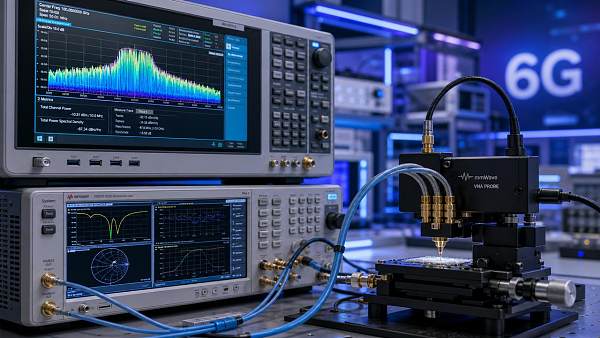
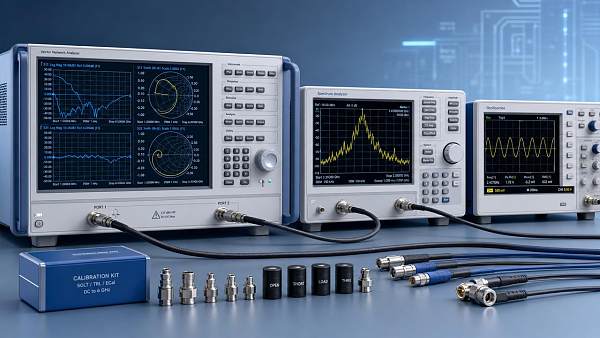
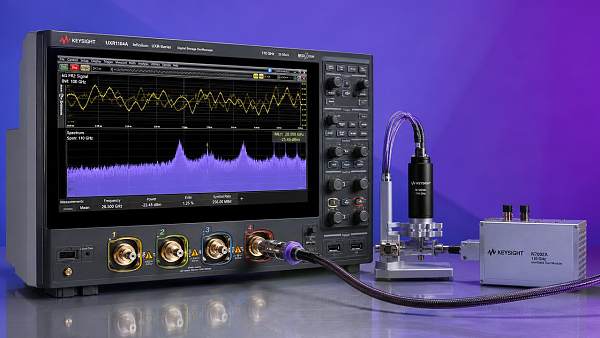
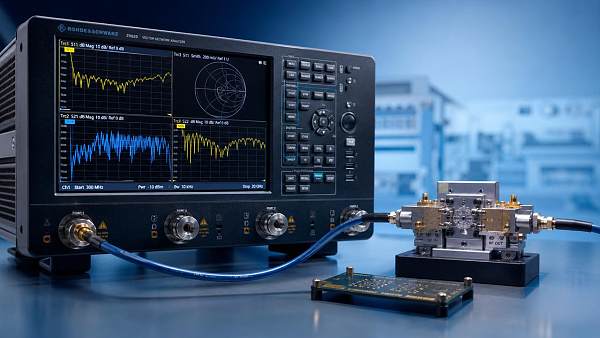
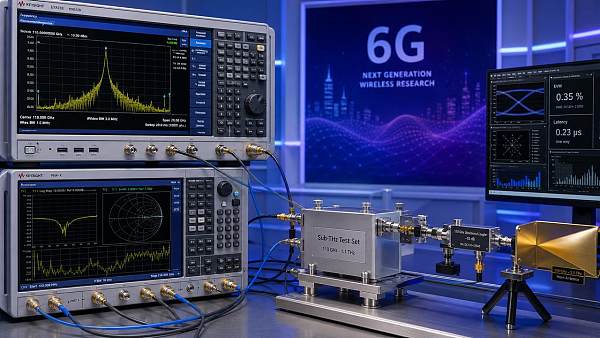
Typical instruments include vector network analyzers, spectrum analyzers, signal generators, oscilloscopes, power meters, frequency counters, and noise figure test systems.
The term also includes probes, cables, calibration kits, switches, fixtures, automation software, and uncertainty management practices.
In practical terms, High Frequency Measurement is not one device. It is a test chain where every connection can change final accuracy.
Why is scope definition important?
A poor scope definition often causes overspending or underperformance. A 67 GHz instrument may still fail if cables, connectors, or fixturing limit usable performance.
A strong selection starts by defining frequency range, amplitude accuracy, phase stability, DUT type, throughput expectations, and compliance standards.
Which applications need High Frequency Measurement most?
High Frequency Measurement supports semiconductor validation, aerospace electronics, satellite payloads, radar, automotive ADAS, telecom infrastructure, and advanced materials research.
It is equally important in cable assembly verification, antenna tuning, EMI debugging, filter design, and high-speed interconnect testing.
Where does application fit matter most?
A development lab may prioritize flexibility, advanced analysis, and scripting. A production line usually values repeatability, uptime, fixture durability, and operator simplicity.
For aerospace and defense programs, traceability, environmental robustness, and long-term platform support often outweigh the lowest purchase price.
For semiconductor and package characterization, de-embedding accuracy and wafer-level options can be decisive.
Application examples
- 5G/6G component testing needs wide bandwidth and modulation analysis.
- Radar validation needs phase coherence and pulsed signal capability.
- High-speed digital links need time-domain and S-parameter correlation.
- EMC troubleshooting needs sensitivity, preselection, and fast sweep modes.
How should High Frequency Measurement systems be compared?
The best comparison method combines core specifications, real-world usability, and ownership risk. Datasheet ranking alone is rarely enough.
Key technical benchmarks
- Frequency range and usable performance at the upper band edge.
- Dynamic range, noise floor, and spurious response.
- Amplitude accuracy, phase noise, and frequency stability.
- Sweep speed, trigger behavior, and measurement repeatability.
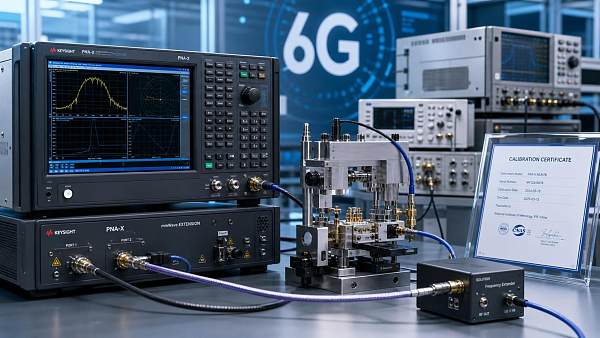
- Calibration method, uncertainty budget, and traceability support.
- Port count, synchronization, and expansion capability.
Operational benchmarks
- Software usability and remote automation interfaces.
- Accessory ecosystem, connector standards, and fixture availability.
- Service coverage, calibration cycle, and local turnaround time.
- Firmware roadmap, cybersecurity controls, and data export options.
High Frequency Measurement selection improves when benchmark tests use actual DUTs, expected cables, target temperatures, and realistic automation scripts.
What mistakes create hidden risk in High Frequency Measurement?
The largest mistakes usually come from system-level blind spots rather than instrument defects.
Common selection errors
- Buying for maximum frequency while ignoring dynamic range at working frequencies.
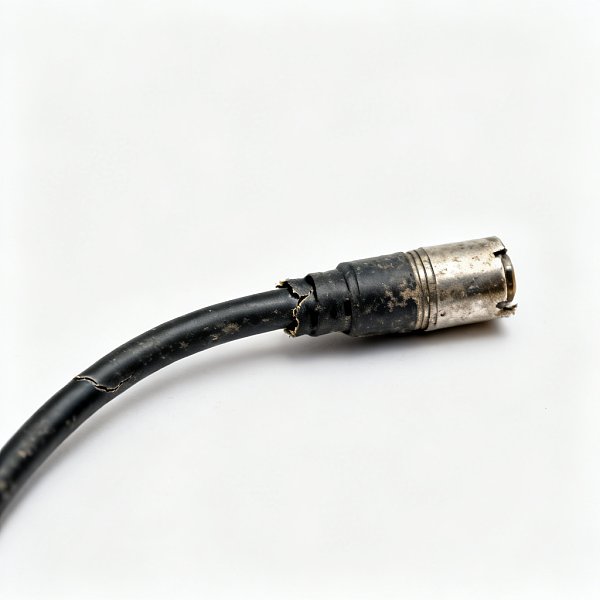
- Underestimating connector wear, cable drift, and fixture repeatability.
- Assuming default software licenses include advanced analysis functions.
- Skipping uncertainty review for regulated or audited environments.
- Comparing only instrument price, not calibration and accessory costs.
Why do these issues matter?
Weak High Frequency Measurement setups can produce false passes, false failures, redesign loops, delayed certifications, and poor correlation between sites.
In high-value sectors, one unstable measurement chain can affect qualification schedules and supplier confidence.
How do cost, implementation time, and support affect the final decision?
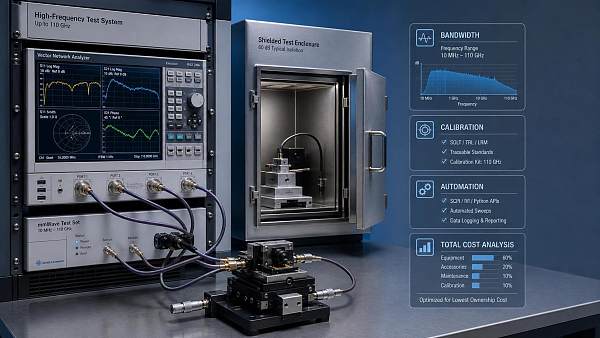
A lower upfront quote does not guarantee lower total cost. High Frequency Measurement systems often need accessories, software, training, and recurring calibration services.
Cost factors to review
- Base instrument price and mandatory software options.
- Calibration kits, probes, fixtures, and quality RF cables.
- Installation, operator training, and workflow integration.
- Annual calibration, downtime exposure, and spare accessory stock.
- Future frequency upgrades or port expansion requirements.
Implementation considerations
Lead time matters when project deadlines are fixed. Some High Frequency Measurement platforms ship quickly, but specialized options or calibration standards may not.
Integration time also depends on drivers, API maturity, cybersecurity approvals, and compatibility with existing lab or factory software.
Support quality should be verified through service level details, not sales claims. Ask about local repair access, loaner coverage, and calibration traceability documentation.
What should be included in a 2026 High Frequency Measurement shortlist?
A practical shortlist should combine technical fit, operational resilience, and compliance readiness.
Recommended shortlist checklist
- Documented frequency coverage with margin above target application needs.
- Verified High Frequency Measurement accuracy using representative DUT tests.
- Compatible calibration workflow aligned with ISO/IEC 17025 expectations.
- Automation support through SCPI, LAN, and stable software tools.
- Clear upgrade path for future standards and broader frequency bands.
- Transparent service, maintenance, and documentation commitments.
How can a final High Frequency Measurement decision be made with confidence?
Start with a written use-case matrix. Include target frequencies, DUT types, accuracy thresholds, throughput, standards, and automation needs.
Next, request a structured evaluation using real measurement tasks. A credible High Frequency Measurement comparison should include cables, fixturing, and calibration steps.
Then compare lifecycle factors. Review service documentation, firmware continuity, accessory availability, and training requirements before final approval.
In 2026, the strongest High Frequency Measurement choice is the one that balances technical depth, repeatable results, and long-term operational support.
Use this framework to refine specifications, validate suppliers, and build a shortlist that reduces risk while improving measurement confidence from day one.
Recommended News
 Aug 23, 2026Which IEEE Standards for wireless communication matter most in 6G testingIEEE Standards for wireless communication shape reliable 6G testing. Discover which IEEE frameworks matter most for timing, coexistence, safety, and repeatable lab results.
 Jul 26, 2026How to Evaluate RF High Frequency Test Equipment for 6G Lab AccuracyRF High Frequency Test Equipment evaluation for 6G labs: learn how to assess phase noise, dynamic range, calibration traceability, and repeatability for reliable, decision-grade results.
 Jul 15, 2026High Frequency Test Systems Price: What Drives Total Cost in 2026?High frequency test systems price in 2026 depends on more than the first quote. Discover the real cost drivers, hidden lifecycle expenses, and smart ways to compare suppliers.
![]() Jun 09, 2026Spectrum Analyzers Explained: What Matters Most in Signal TestingSpectrum Analyzers explained for smarter signal testing: learn how frequency range, dynamic range, phase noise, and compliance impact accuracy, speed, and confident buying decisions.
Jun 09, 2026Spectrum Analyzers Explained: What Matters Most in Signal TestingSpectrum Analyzers explained for smarter signal testing: learn how frequency range, dynamic range, phase noise, and compliance impact accuracy, speed, and confident buying decisions. May 21, 20266G Measurement Challenges: Bandwidth, Noise, and Timing in Real Tests6G Measurement faces real-world challenges in bandwidth, noise, and timing. Discover how repeatable testing improves trust, compliance, and performance across advanced R&D and production.
 May 20, 2026High Frequency Measurement: 2026 Selection GuideHigh Frequency Measurement selection in 2026 starts with the right criteria. Learn how to compare accuracy, calibration, workflow, cost, and support to choose with confidence.
 May 14, 20266G Measurement Challenges: Choosing the Right Oscilloscope Features6G Measurement challenges demand more than bandwidth alone. Discover the oscilloscope features that improve signal fidelity, timing accuracy, and analysis confidence for smarter test decisions.
 May 13, 2026High Frequency Measurement: Accuracy Limits at GHz SpeedsHigh Frequency Measurement at GHz speeds demands more than bandwidth. Learn where accuracy breaks down, how to reduce uncertainty, and what to evaluate for reliable, traceable results.
 May 03, 2026IEEE Standards for Wireless Communication Explained SimplyIEEE Standards for wireless communication explained simply—learn how Wi-Fi, Bluetooth, and industrial wireless standards impact compatibility, performance, and smarter technology choices.
 May 02, 20266G Measurement Basics: What Actually Matters in Early Testing6G Measurement explained clearly: learn which early-test factors really matter—frequency stability, signal integrity, latency behavior, and repeatability—to compare claims with confidence.
 Apr 24, 2026Electrical Test Repeatability Drops Fast When Cables AgeElectrical Test repeatability drops as cables age. Learn how Industrial Sensors, Spectrum Analyzers, IEEE Standards and NIST Standards help reduce drift and protect data confidence.