Consumer Electronics Exhibition Trends to Watch in 2026
Time
Click Count
The consumer electronics exhibition calendar in 2026 will matter for more than launch headlines and showcase design. It will signal where sensing, testing, connectivity, and manufacturing intelligence are becoming strategic priorities.
That shift is especially relevant when devices are judged not only by features, but by reliability, traceability, compliance, and production scalability. A major consumer electronics exhibition now acts as a live map of future supply chains.
For companies tracking product risk and investment timing, the value lies in reading beneath the displays. The most useful signals often come from measurement systems, optical inspection, high-frequency validation, and sensor integration.
Why 2026 exhibitions deserve closer attention
In earlier cycles, a consumer electronics exhibition was often treated as a marketing stage. In 2026, it is better understood as a convergence point for product strategy, engineering maturity, and industrial capability.
Several forces are driving this change. Device categories are blending. Consumer products now depend on automotive-grade sensing, semiconductor-level precision, and cloud-connected service models.
At the same time, product lifecycles are shorter, regulatory demands are broader, and defect tolerance is lower. That makes exhibition trends relevant far beyond retail electronics.
The most influential events will reflect this reality. They will showcase not just finished devices, but also the systems that make volume production accurate, auditable, and adaptable.
The real meaning of a consumer electronics exhibition in 2026
A modern consumer electronics exhibition is part trend barometer, part supplier screening environment, and part technical intelligence source. It compresses market direction into a space where business, engineering, and operations meet.
This is why exhibition analysis should go beyond counting device launches. The stronger question is which enabling technologies are moving from experimental to deployable.
Seen this way, exhibition floors reveal practical answers. Which sensor architectures are stable enough for scale? Which test methods support next-generation wireless performance? Which inspection tools reduce field failure risk?
Organizations such as G-IMS help frame these questions with more rigor. Its focus on actionable measurement intelligence and technical benchmarking mirrors what the best exhibitions are increasingly exposing.
Trend one: AI-enabled sensing moves from novelty to infrastructure
AI features will remain highly visible at every consumer electronics exhibition, but the deeper story is sensor quality. Smarter devices depend on cleaner signal capture, better calibration, and more reliable environmental interpretation.
This affects wearables, home devices, display systems, audio platforms, and edge computing products. Performance claims increasingly rest on sensor fusion rather than on software labels alone.
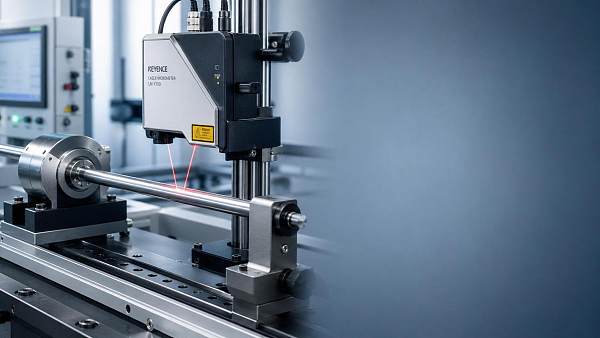
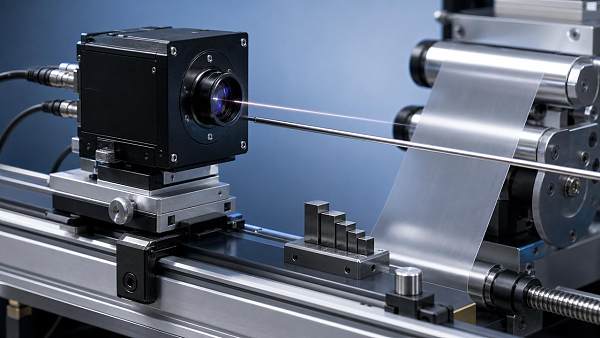
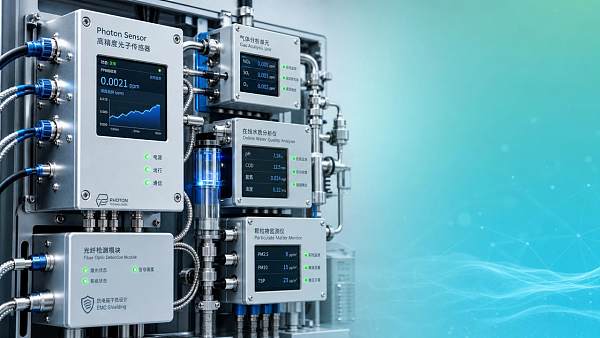
Exhibitors will likely emphasize photonic sensors, non-contact vision systems, thermal sensing, and hyperspectral approaches. These are not fringe technologies anymore. They are becoming part of mainstream product differentiation.
What matters in evaluation is not only sensitivity. Stability across temperature, lighting variation, motion, and long-term use will separate credible suppliers from ambitious demonstrations.
What to look for on the show floor
- Calibration methods tied to recognized standards
- Edge AI processing with explainable error handling
- Sensor drift data over time, not only lab snapshots
- Integration paths with inspection and production software
Trend two: precision testing becomes a visible commercial issue
In 2026, a consumer electronics exhibition will reveal how deeply testing has entered competitive positioning. This is especially true in RF devices, power electronics, display modules, and miniaturized boards.
As products prepare for Wi-Fi evolution, satellite connectivity, and early 6G pathways, electrical validation cannot stay hidden in the back end. Buyers want to know what has been measured, how, and against which standard.
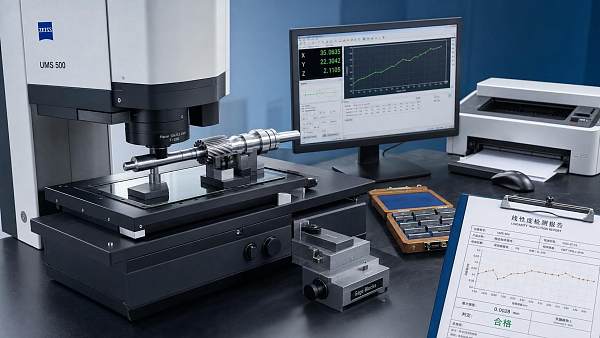
G-IMS reflects this direction through its emphasis on electrical test and high-frequency measurement. That perspective is increasingly useful when exhibition claims involve bandwidth, signal integrity, and electromagnetic resilience.
The practical implication is clear. Technical credibility at a consumer electronics exhibition now depends on the quality of validation evidence behind the device.
Trend three: quality control shifts closer to real time
Another major trend is the rise of inline and near-inline inspection. Rather than relying only on post-production sampling, brands are moving quality checks earlier and closer to process variation.
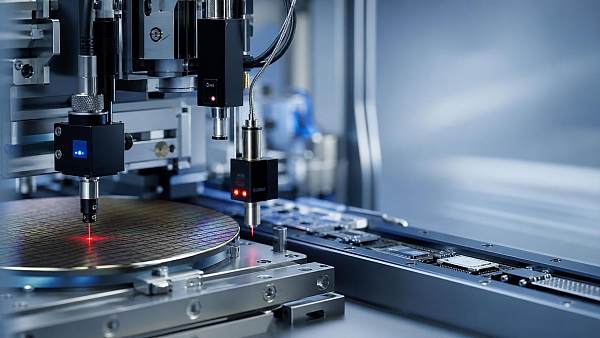
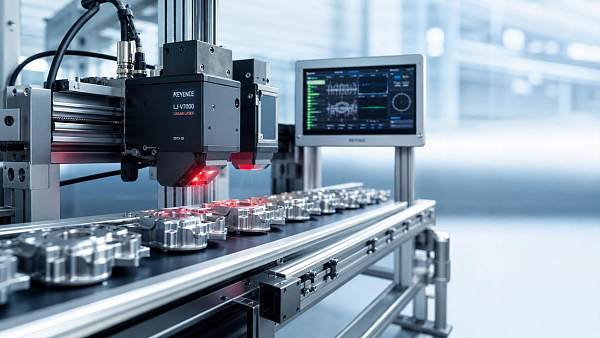
This is where machine vision, 3D scanning, and AI-supported defect recognition stand out. The best systems do more than detect faults. They connect measurements to process correction.
At a consumer electronics exhibition, this trend appears in subtle ways. A perfectly finished product may actually be a story about metrology, optics, and zero-defect manufacturing discipline.
For companies comparing partners, this matters because cosmetic quality and functional reliability are now tightly linked to inspection architecture.
Trend four: connected manufacturing enters the exhibition narrative
A leading consumer electronics exhibition no longer stops at the device layer. It increasingly includes the data pathways connecting design, test, assembly, monitoring, and after-sales performance.
This means software dashboards, digital twins, equipment interoperability, and sensor-to-action workflows are becoming central talking points. The product is important, but the production intelligence behind it is becoming equally visible.
G-IMS has long focused on turning measurement into intelligent action. That idea aligns with where exhibitions are headed: fewer isolated tools, more connected quality ecosystems.
The advantage of this shift is practical. Better connected manufacturing reduces troubleshooting time, supports continuous verification, and improves decision speed across multiple sites.
Trend five: environmental and regulatory data gain strategic weight
Sustainability claims are no longer enough on their own. At the 2026 consumer electronics exhibition circuit, environmental monitoring and compliance traceability will matter more than broad messaging.
This includes energy measurement, material transparency, air and gas monitoring in production settings, and product durability evidence. Environmental data is increasingly tied to procurement confidence and market access.
Specialized sensors, including trace-gas analyzers and monitoring tools, are becoming relevant even in consumer-facing categories because they support safer production and stronger reporting.
A consumer electronics exhibition that highlights this layer is not becoming less commercial. It is becoming more realistic about what global scaling requires.
How to interpret exhibition signals without overreacting
Not every impressive booth reflects deployable maturity. Some displays show concept-level integration, while others represent tested industrial capability. Distinguishing the two is one of the most valuable exhibition skills.
A disciplined review usually focuses on evidence, not presentation style. That means asking whether performance data is repeatable, benchmarked, and connected to recognizable standards.
In this respect, the G-IMS framework is useful because it emphasizes benchmarking across metrology, optics, electrical measurement, vision inspection, and environmental sensing. Those categories map closely to actual production risk.
Useful evaluation questions
- Is the solution validated under ISO, IEEE, NIST, or equivalent references?
- Can the supplier explain measurement uncertainty clearly?
- Does the system integrate with existing production and data environments?
- Is there evidence from scaled manufacturing, not only pilot use?
- What failure modes remain unresolved?
Where the strongest business value may appear
The most important outcome of attending or tracking a consumer electronics exhibition in 2026 may not be discovering a single breakout device. It may be identifying enabling capabilities with cross-category relevance.
For example, an optical inspection platform shown for displays may also improve battery assembly verification. A high-frequency measurement system built for communications hardware may support broader test modernization.
This cross-industry transfer is why exhibition intelligence matters in a broader industrial context. Consumer electronics often commercializes technologies that later shape medical devices, mobility systems, aerospace electronics, and advanced manufacturing.
That is also where a benchmarking-oriented view becomes more useful than a trendwatching mindset alone.
What to do after the exhibitions
The next step is not to react to every trend at once. It is to translate exhibition signals into a short list of technical questions, partner criteria, and measurable pilot priorities.
A practical review can start with three filters: relevance to your product roadmap, readiness for integration, and strength of validation. That helps separate useful direction from temporary noise.
When a consumer electronics exhibition points toward AI sensing, smarter inspection, or advanced testing, the real opportunity is to compare those signals against current operational gaps. That is where trend awareness becomes decision quality.
For 2026, the most informed approach is to watch the devices, study the measurement layer behind them, and build evaluation standards before investment momentum forces faster choices.
Recommended News
 Sep 14, 2026What to verify before choosing a smart hotel producer for a renovationSmart hotel producer selection starts with proven integration, reliable installation, cybersecurity, commissioning, and lifecycle support. Discover what to verify before a hotel renovation.
 Sep 09, 2026Smart hotel energy efficiency upgrades that cut peak-demand costsSmart hotel energy efficiency upgrades reduce peak-demand costs through smarter HVAC controls, metering, and verified savings strategies.
 Jul 05, 2026Laser Micrometer Linearity: How to Verify Accuracy in Production ChecksLaser micrometer linearity explained: learn how to verify accuracy in production checks with traceable references, real-world test steps, and practical criteria for confident quality control.
 Jul 01, 2026Industrial Optics Supplier Checklist for Stable Lead TimesIndustrial optics supplier checklist for stable lead times: learn how to compare quotes, reduce schedule risk, verify process control, and choose a supplier that delivers reliably.
 Jun 28, 2026Photonic Sensors in Automation: Where They Beat Traditional SensorsPhotonic Sensors outperform traditional sensors in automation with non-contact precision, EMI immunity, and faster response. Discover where they boost yield, uptime, and quality.
 Jun 28, 2026Photonic Sensors Explained: Uses, Limits, and Key SpecsPhotonic Sensors explained clearly: explore real-world uses, key specs, common limits, and how to compare options for faster, more precise non-contact sensing.
 Jun 21, 2026How to Read Optical Micrometer Linearity Data for Accurate QA DecisionsOptical micrometer linearity data explained for better QA decisions. Learn how to spot hidden measurement risk, reduce false accepts, and improve inspection confidence.
 Jun 19, 2026Advanced Materials Selection for Heat and Wear PerformanceAdvanced materials selection for heat and wear performance helps improve uptime, precision, and lifecycle cost. Explore smarter material choices for stable, high-demand industrial applications.
 Jun 07, 2026Micro-Inverters vs String Inverters: Which Lowers System Risk?Micro-inverters vs string inverters: discover which design lowers system risk, improves fault isolation, and delivers sharper module-level visibility for smarter solar decisions.
 Jun 06, 2026Consumer Electronics Exhibition Trends to Watch in 2026Consumer electronics exhibition trends for 2026 reveal where AI sensing, precision testing, and connected manufacturing are shaping reliable, scalable products—read the signals that matter.
 Jun 05, 2026Solar Energy Systems: Cost Gaps That Change PaybackSolar energy systems may look similar on price, but hidden gaps in monitoring, testing, and maintenance can reshape payback. Learn what truly drives ROI and lowers long-term risk.
 Jun 02, 20263D Fashion Design: From Prototype to Fit Review3D fashion design connects digital prototyping, avatar accuracy, fabric data, and fit review to reduce sampling cycles and improve production decisions.
 May 26, 2026Optical Micrometer Linearity Data: What Accuracy Claims MissOptical micrometer linearity data reveals what accuracy claims miss across the full range. Learn how to compare systems, reduce risk, and make smarter precision measurement decisions.
 May 23, 2026Optical Micrometer OEM Supplier for Fast Inline MeasurementOptical micrometer OEM supplier insights for fast inline measurement. Compare speed, stability, integration, and rugged fit to choose a partner that improves yield and cuts deployment risk.
 May 23, 20263D Profile Projector Factory Selection for Fine Parts3d profile projector factory selection starts with proven accuracy, calibration, and support. Discover how to compare suppliers for fine parts and make confident sourcing decisions.
 May 22, 2026Photonic Sensors for Environmental Monitoring in Harsh Outdoor SitesPhotonic Sensors for Environmental Monitoring help harsh outdoor sites gain reliable, traceable data for safer operations, faster response, and stronger compliance. Explore why demand is rising.
 May 18, 2026Optical Micrometer Linearity Data: How to Verify Measurement StabilityOptical micrometer linearity data explained: learn how to verify measurement stability, reduce hidden errors, and strengthen quality control with practical, audit-ready insights.
 May 15, 2026Optical Micrometer OEM Supplier Checklist for Stable Tolerance ControlOptical micrometer OEM supplier checklist for stable tolerance control—learn how to assess accuracy, calibration, integration, and service to reduce risk and improve production consistency.
 May 14, 2026Photonic Sensors for Environmental Monitoring in Harsh Outdoor SitesPhotonic Sensors for Environmental Monitoring help harsh outdoor projects achieve reliable, real-time data, stronger compliance, and lower maintenance risk. Discover how to choose durable, high-performance solutions.
 May 08, 2026Optical Micrometer Linearity Data: When Better Specs Improve YieldOptical micrometer linearity data helps manufacturers cut hidden error, improve yield, and compare systems with confidence. Learn how better specs reduce risk and support smarter buying.
 May 06, 2026Non-Contact Metrology System OEM Options for High-Speed Production LinesNon-contact metrology system OEM options for high-speed production lines: learn how to compare speed, precision, integration, and supplier fit to boost yield and scale with confidence.
 May 05, 2026Optical Micrometer OEM Supplier: Common Mistakes That Raise Failure RiskOptical micrometer OEM supplier selection can make or break uptime. Discover 8 costly mistakes that increase failure risk—and how to choose a partner for stable performance.
 May 04, 2026Photonic Sensors for Environmental Monitoring: Where They Outperform Traditional OptionsPhotonic Sensors for Environmental Monitoring outperform traditional options with higher sensitivity, faster response, and EMI resistance. Discover where they deliver smarter, future-ready environmental insight.
 Apr 24, 2026Sensory Technology Is Getting Smarter, but Is It More Reliable?Sensory Technology reliability: from 3D Scanning and Spectrum Analyzers to Electrical Test, Hyperspectral Imaging, and Environmental Monitoring—see what IEEE Standards and NIST Standards really demand.