Automated Metrology Case Studies With Measurable ROI
Time
Click Count
Automated Metrology Case Studies Are Redefining Quality Economics
These automated metrology case studies show a clear shift in industrial decision-making.
Precision measurement is no longer treated as a passive verification expense.
It now supports throughput, compliance, yield protection, and better capital allocation.
Across diversified industries, automated measurement links inspection data to action.
That link is where measurable ROI becomes visible.
For organizations evaluating intelligent inspection investments, automated metrology case studies offer practical evidence.
They reveal faster cycle times, lower scrap, stronger traceability, and fewer costly escapes.
They also show how metrology data improves resilience when product complexity rises.
Why the Inspection Landscape Is Changing Faster Than Before
Several trend signals explain the growing value behind automated metrology case studies.
Tolerance bands are shrinking while product variants keep increasing.
At the same time, labor constraints make manual inspection harder to scale.
Regulatory pressure also demands auditable, repeatable, and time-stamped measurement records.
This environment rewards systems that capture dimensional truth quickly and consistently.
Automated metrology case studies increasingly come from mixed production environments.
These include aerospace parts, electronics housings, medical components, precision tooling, and energy hardware.
In each case, measurement becomes a control point for financial performance.
Key signals behind this shift
- Higher mix production requires programmable inspection workflows.
- Digital manufacturing needs traceable measurement data, not isolated reports.
- Scrap costs rise sharply when defects are discovered late.
- Customer quality agreements increasingly require statistical evidence.
- Manual methods struggle with repeatability across shifts and sites.
What Automated Metrology Case Studies Reveal About ROI Drivers
The strongest automated metrology case studies rarely depend on a single benefit.
ROI usually comes from several gains working together.
Cycle time reduction creates immediate capacity improvements.
Earlier defect detection cuts rework and material waste.
Automated data capture reduces reporting effort and compliance risk.
Closed-loop feedback improves process settings before variation becomes expensive.
Three Automated Metrology Case Studies With Measurable Outcomes
Case 1: Aerospace machining reduced first-article delays
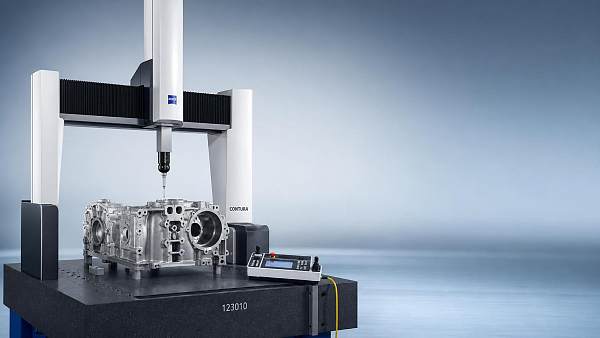
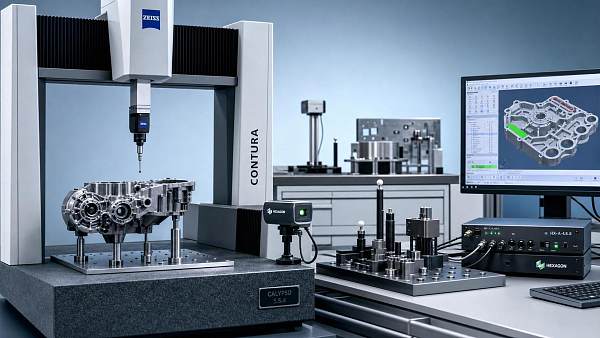
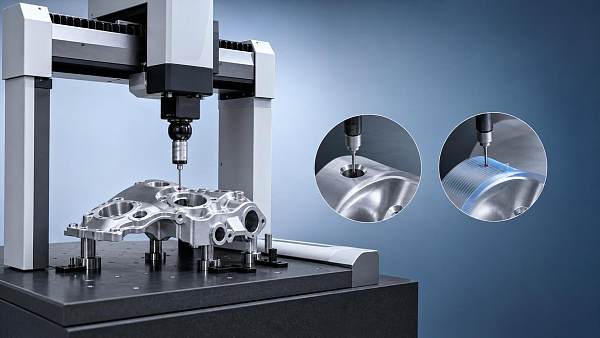
One facility moved from manual gauges to automated CMM routines.
The previous process required queue time, paper records, and repeated checks.
After automation, first-article inspection time dropped by 42%.
Nonconformance reporting became digital and searchable.
The measurable ROI came from faster release, less rework, and fewer schedule disruptions.
Case 2: Electronics production improved line-side control
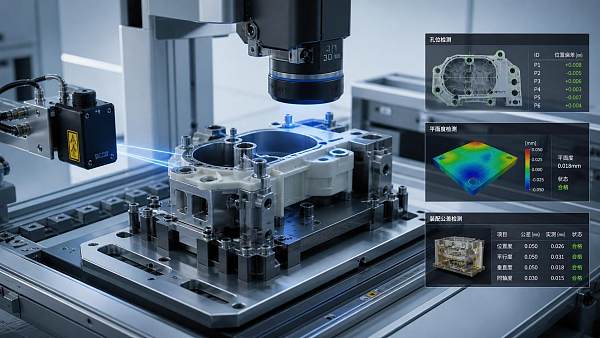
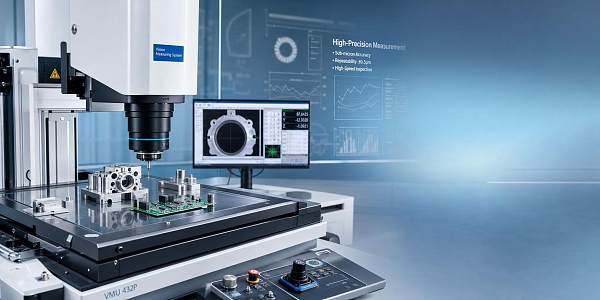
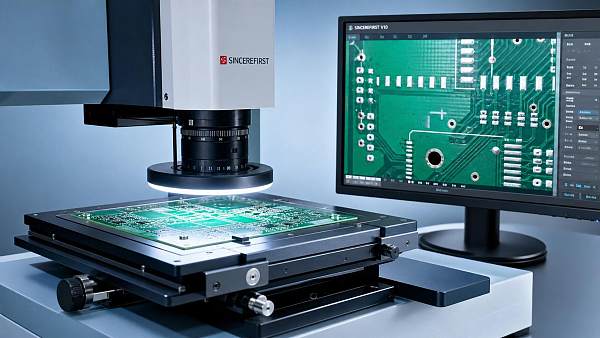
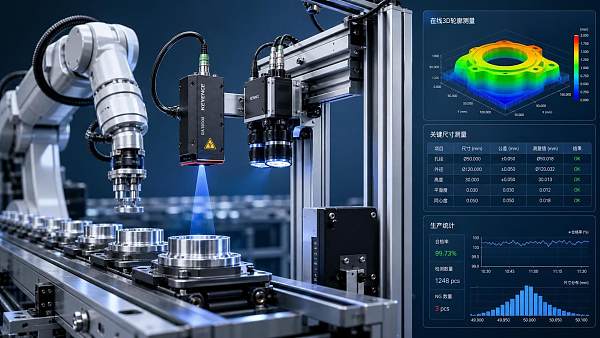
A high-volume electronics line adopted automated optical and dimensional inspection.
Sampling was replaced by near real-time verification at critical process steps.
Scrap fell by 27% within two quarters.
Cycle stability improved because drift was flagged earlier.
These automated metrology case studies often show this pattern.
Measurement becomes an active process control mechanism.
Case 3: Energy equipment strengthened supplier quality control
A complex assembly program faced recurring dimensional mismatch from incoming parts.
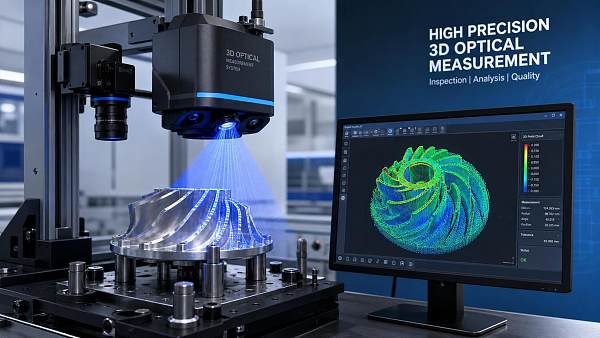
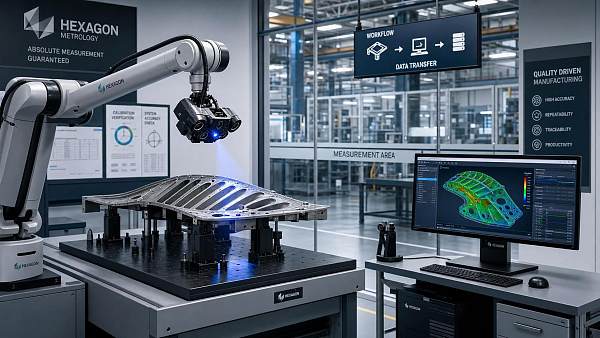
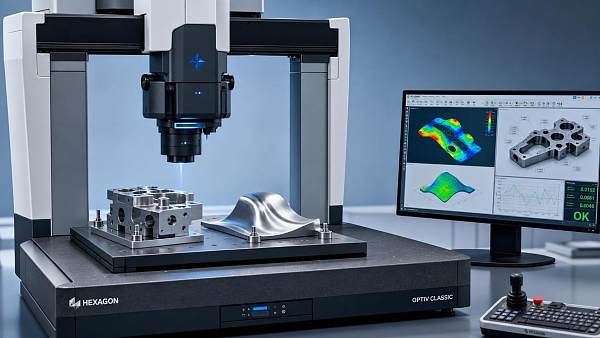
It introduced automated 3D scanning for incoming inspection and deviation mapping.
Supplier disputes declined because evidence was visual and standardized.
Assembly fit issues were detected before downstream labor accumulated.
The result was lower warranty exposure and better supplier accountability.
Why These Trends Matter Across Business Functions
Automated metrology case studies affect more than inspection teams.
Their impact extends across engineering, operations, compliance, and financial planning.
When measurement data is timely, process decisions improve faster.
When records are standardized, audits become less disruptive.
When defects are caught early, margin leakage is easier to control.
- Engineering gains cleaner feedback for design and tolerance review.
- Production gains less interruption from late-stage quality holds.
- Quality functions gain repeatable evidence for customer and regulatory demands.
- Finance gains clearer ROI modeling tied to waste, labor, and capacity.
What Deserves Attention Before Scaling Automated Measurement
Not every investment succeeds at the same rate.
Automated metrology case studies with strong returns usually share several conditions.
Priority factors to evaluate
- Measurement uncertainty must align with actual tolerance risk.
- Automation should fit production cadence, not disrupt it.
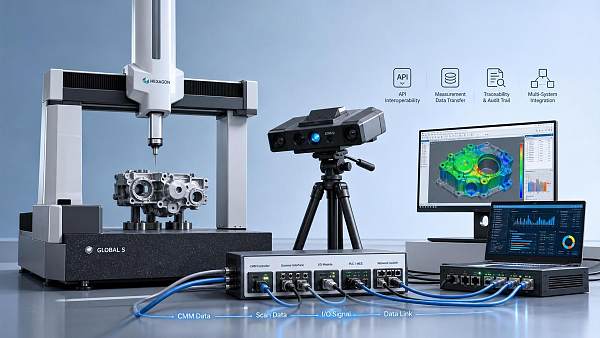
- Software integration matters as much as sensor performance.
- Data output should support SPC, traceability, and corrective action workflows.
- Operator usability influences adoption speed and repeatability.
- Calibration discipline remains essential even in highly automated environments.
This is where institutions like G-IMS add value.
Independent benchmarking helps compare systems beyond marketing claims.
It connects hardware capability with data intelligence and standards alignment.
That approach reduces selection risk in high-precision environments.
How to Judge the Next Wave of Automated Metrology Case Studies
The next generation of automated metrology case studies will focus on connected decisions.
Standalone measurement speed will still matter.
But larger value will come from linking inspection with process correction.
AI-supported anomaly detection, digital twins, and cross-site quality dashboards will expand this trend.
Organizations should assess whether current systems can scale into that model.
A Practical Next Step for Better Capital Decisions
Use automated metrology case studies as investment evidence, not just technical references.
Map each case to your own scrap profile, cycle bottlenecks, and compliance burden.
Then compare solution options against measurable business outcomes.
A strong evaluation should include benchmarked performance, data architecture, and implementation risk.
That is how automated metrology case studies move from interesting examples to strategic guidance.
In complex manufacturing, better measurement is increasingly the shortest path to better decisions.
Recommended News
 Sep 23, 2026How AI metrology systems for electronics improve PCB inspection accuracyAI Metrology Systems for electronics improve PCB inspection accuracy with calibrated measurement, intelligent defect classification, traceability, and actionable process insights.
 Aug 15, 2026How to benchmark a metrology system before making a purchaseMetrology system benchmarking helps buyers compare accuracy, repeatability, compliance, and total cost before purchase.
 Aug 13, 2026How to Compare Bridge Coordinate Measurement Systems for Accuracy, Volume, and ThroughputBridge coordinate measurement systems compared the smart way: learn how to balance accuracy, measurement volume, and throughput to choose a CMM that fits real parts, workflows, and production goals.
 Aug 12, 2026How to Evaluate Industrial Measurement Systems for Assembly Tolerance ControlIndustrial measurement systems for assembly: learn how to evaluate accuracy, repeatability, integration, and cycle time to improve tolerance control and avoid costly selection mistakes.
 Jul 18, 2026How to Evaluate Automatic Vision Measuring Machines for Accuracy and ThroughputAutomatic Vision Measuring Machines: learn how to evaluate accuracy, repeatability, software, and real-world throughput to choose a system that boosts quality and production confidence.
 Jul 12, 2026How to Compare 3D Optical Measurement Systems for Tight-Tolerance Parts3D optical measurement systems for tight-tolerance parts: learn how to compare accuracy, repeatability, surface handling, software, and traceability to choose with confidence.
 Jul 11, 2026Inline Metrology System Pricing: What Drives Total Cost in 2026Inline metrology system pricing in 2026 depends on more than hardware. Learn the real cost drivers—software, integration, uptime, and ROI—to compare vendors and approve budgets with confidence.
 Jul 11, 2026Non-Contact Metrology System for Electronics: Key Accuracy FactorsNon-contact metrology system for electronics: discover the key factors behind true accuracy, from optics and calibration to software, drift, and reflective surfaces.
 Jul 10, 2026When a Measurement Platform for Automation Improves ThroughputMeasurement platform for automation boosts throughput by speeding inspection, reducing drift, and enabling faster corrective action. See how smarter measurement drives yield, quality, and ROI.
 Jul 09, 2026Vision Measuring Machines for PCB Inspection: What Affects Accuracy MostVision Measuring Machines for PCB inspection: discover the key factors that impact accuracy most, from optics and lighting to calibration and software, and learn how to improve PCB quality control.
 Jul 09, 20263D Scanning Factory Setup: Common Errors and How to Avoid Them3D scanning factory setup often fails before launch due to poor planning, weak validation, and disconnected data. Learn the common errors and how to avoid costly rework.
![]() Jul 07, 2026Automated Dimensional Measurement Systems: Key Accuracy Limits to CheckAutomated dimensional measurement systems: learn the key accuracy limits to check, from calibration drift to environmental effects, and compare platforms with confidence.
Jul 07, 2026Automated Dimensional Measurement Systems: Key Accuracy Limits to CheckAutomated dimensional measurement systems: learn the key accuracy limits to check, from calibration drift to environmental effects, and compare platforms with confidence. Jul 06, 2026Closed Loop Automated Metrology for Faster Process ControlClosed loop automated metrology helps manufacturers speed process control, reduce scrap, and correct variation in real time. Learn how it improves quality, uptime, and production stability.
 Jul 03, 2026How to Compare an Aerospace Measurement Supplier Beyond PriceAerospace measurement supplier selection goes beyond price. Learn how to compare calibration, traceability, software, service, and lifecycle value to reduce risk.
 Jul 03, 2026Industrial Measurement Equipment Cost: What Drives the BudgetIndustrial measurement equipment cost depends on more than price. Learn what drives budget, hidden lifecycle expenses, compliance, software, and downtime risk to compare options smarter.
 Jul 02, 2026Choosing a Non-Contact Metrology System for AutomationNon-contact metrology system for automation: learn how to balance accuracy, speed, integration, and ROI to choose a solution that improves quality and keeps production moving.
 Jul 02, 2026Touch Probe vs Scanning CMM: Which Fits Better?Coordinate Measuring Machines touch probe or scanning CMM? Compare speed, data depth, and cost to choose the best fit for your inspection needs.
 Jul 02, 2026How Inline Metrology Improves Manufacturing YieldManufacturing inline metrology helps improve yield by catching drift, defects, and process variation in real time. Learn how the right fit boosts quality, control, and throughput.
 Jul 01, 2026Coordinate Measuring Machines Optical: Selection Guide by Use CaseCoordinate Measuring Machines optical selection starts with use case. Learn how to match accuracy, throughput, geometry, and data workflow to choose the right system.
 Jun 24, 2026Smart Hotel Energy Efficiency: Where Savings Actually Come FromSmart hotel energy efficiency starts with better measurement and control—not just new devices. Learn where real hotel energy savings come from and how to improve comfort, performance, and ROI.
 Jun 18, 2026Metrology Software API Interoperability: Key Checks Before IntegrationMetrology software API interoperability explained: learn the 6 key checks to verify data integrity, traceability, scalability, and compliance before integration.
 Jun 15, 2026High Accuracy Quality Control Systems ExplainedHigh Accuracy Quality Control Systems explained: learn how precision metrology, analytics, and traceable standards reduce defects, improve compliance, and strengthen smarter manufacturing decisions.
![]() Jun 09, 2026Non-Contact Metrology System OEM: 7 Checks Before Supplier SelectionNon-contact metrology system OEM selection starts with the right checks. Discover 7 practical ways to verify accuracy, traceability, integration, support, and total cost before choosing a supplier.
Jun 09, 2026Non-Contact Metrology System OEM: 7 Checks Before Supplier SelectionNon-contact metrology system OEM selection starts with the right checks. Discover 7 practical ways to verify accuracy, traceability, integration, support, and total cost before choosing a supplier. Jun 08, 2026Digital Transformation Roadmap: Where to Start and What to MeasureDigital transformation starts with the right roadmap. Learn where to begin, what metrics matter most, and how to turn disconnected data into faster decisions and measurable results.