How to Vet an Electrical Test Equipment Supplier
Time
Click Count
Choosing the right Electrical Test equipment supplier is not a routine sourcing task. It directly influences measurement accuracy, compliance status, equipment uptime, and future service continuity.
In industrial, laboratory, aerospace, energy, and electronics settings, poor supplier selection can create calibration drift, delayed projects, failed audits, and hidden lifecycle costs.
A qualified Electrical Test equipment supplier should provide more than products. The supplier should prove technical competence, standards alignment, traceability discipline, and dependable after-sales support.
This guide presents a practical framework for evaluating an Electrical Test equipment supplier in high-performance environments where accuracy and risk control matter.
Definition and Scope of an Electrical Test Equipment Supplier
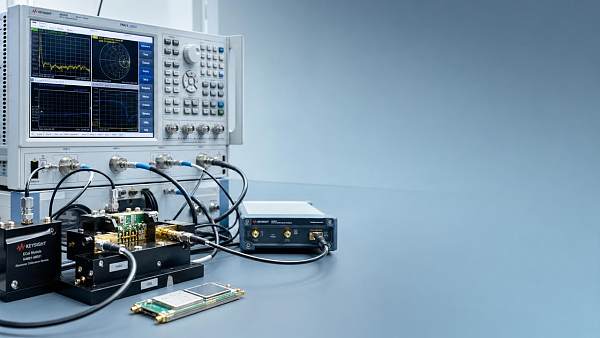
An Electrical Test equipment supplier provides instruments used to measure, verify, diagnose, and validate electrical performance across components, systems, and production lines.
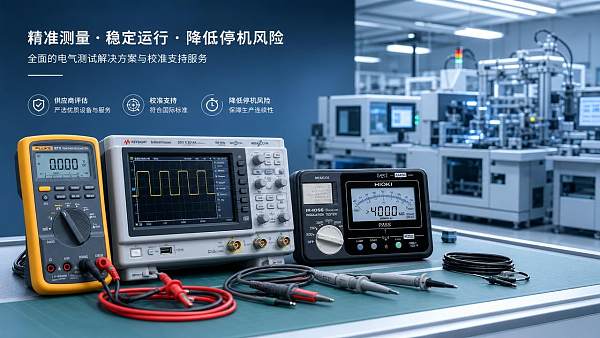
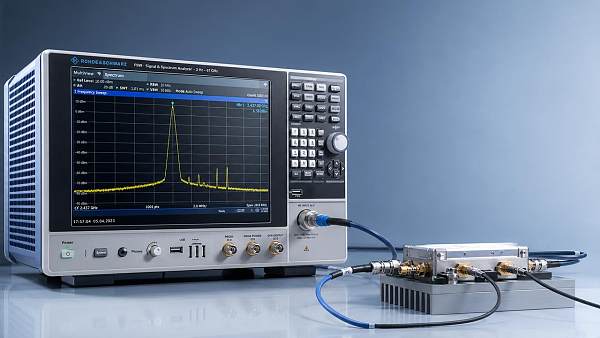
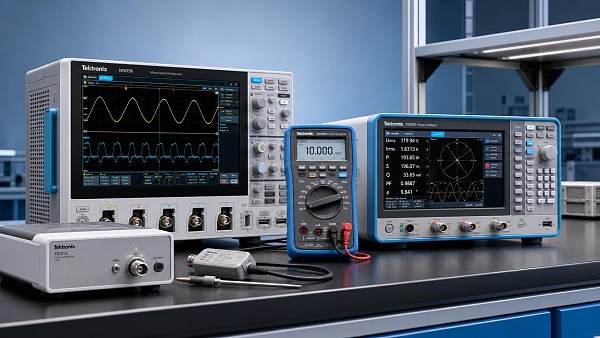
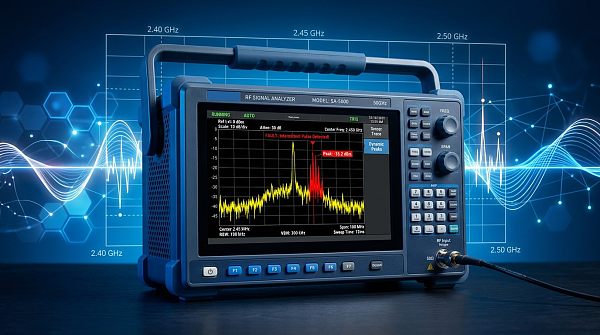
Typical products include oscilloscopes, multimeters, power analyzers, insulation testers, hipot testers, data acquisition systems, spectrum analyzers, signal generators, and calibration accessories.
Some suppliers focus on catalog distribution. Others offer application engineering, integration, training, calibration coordination, compliance documentation, and lifecycle support.
The best sourcing outcome usually comes from matching supplier capability with technical complexity, regulatory exposure, and expected service life of the equipment.
Core evaluation dimensions
- Measurement performance and repeatability
- Calibration traceability and certification support
- Product range and application fit
- Technical service responsiveness
- Supply stability and spare parts availability
- Documentation quality and regulatory familiarity
Industry Context and Current Evaluation Priorities
Electrical measurement has become more demanding. Higher switching frequencies, tighter tolerances, smart manufacturing, and stricter audit expectations all raise the standard for supplier qualification.
Across industries, decision criteria are shifting from upfront price toward total reliability, software continuity, traceable data, and global service consistency.
A capable Electrical Test equipment supplier should respond to these pressures with evidence, not claims. That evidence should be measurable, current, and easy to verify.
Business Value of Careful Supplier Vetting
Selecting the right Electrical Test equipment supplier reduces operational risk across the full equipment lifecycle, from specification review to calibration renewal and eventual replacement planning.
The most immediate value is measurement confidence. Reliable instruments reduce false failures, missed defects, and rework caused by unstable or poorly specified test tools.
There is also strong compliance value. During customer audits or accreditation reviews, documentation quality often matters as much as the instrument itself.
Well-vetted suppliers also protect continuity. Fast service response, replacement unit access, and application support help avoid expensive testing interruptions.
Key benefits of a qualified supplier relationship
- More stable measurement results across shifts and sites
- Better readiness for internal and external audits
- Reduced downtime during repair or recalibration cycles
- Lower risk of buying oversized or unsuitable instruments
- Improved lifecycle cost visibility
Practical Criteria for Vetting an Electrical Test Equipment Supplier
A robust supplier review should combine technical, operational, and commercial checks. Looking at only product brochures or discounts creates avoidable sourcing risk.
1. Verify technical competence
Assess whether the supplier understands your measurement environment. Ask for application notes, case references, demo support, and parameter guidance for your use case.
For advanced testing, check expertise in waveform capture, EMC sensitivity, power quality, transient analysis, or high-voltage safety, depending on your application.
2. Check calibration and traceability support
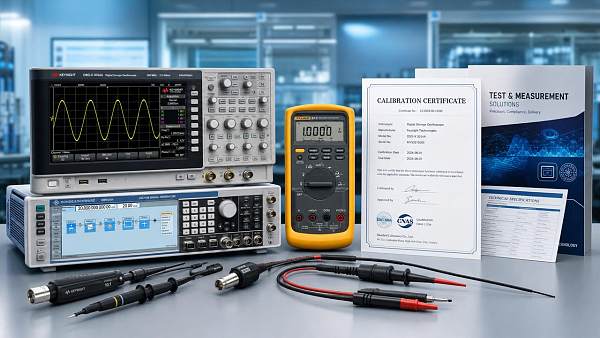
A dependable Electrical Test equipment supplier should explain calibration intervals, uncertainty data, traceability routes, and certificate formats clearly.
Look for alignment with ISO/IEC 17025 practices when accredited calibration is required. Also confirm whether local service partners can maintain traceability consistency.
3. Review product quality and configuration control
Request detailed specifications, revision histories, accessory compatibility lists, and firmware management policies. Configuration inconsistency can undermine repeatability across teams or facilities.
4. Evaluate service infrastructure
Ask where repairs are performed, what the standard turnaround time is, and whether loaner units are available. Service distance often affects total downtime more than purchase price.
5. Confirm documentation depth
Good suppliers provide manuals, declarations, software notes, safety guidance, and calibration records in a structured format. Clear documentation simplifies validation and onboarding.
6. Examine supply continuity
Ask about lead times, obsolescence planning, replacement roadmaps, and spare parts support. Long-term continuity is essential for regulated or validated environments.
Typical Supplier Types and Best-Fit Scenarios
Not every Electrical Test equipment supplier serves the same need. Supplier type should match application complexity, internal engineering depth, and service expectations.
Common Warning Signs During Supplier Assessment
Some risks are visible early if the review process is disciplined. These warning signs often indicate poor control, weak support, or limited technical credibility.
- Unclear calibration source or missing traceability explanation
- Inconsistent specifications across quotes, brochures, and manuals
- No defined repair path or uncertain service turnaround
- Heavy emphasis on price with little application discussion
- Weak response to standards, safety, or software questions
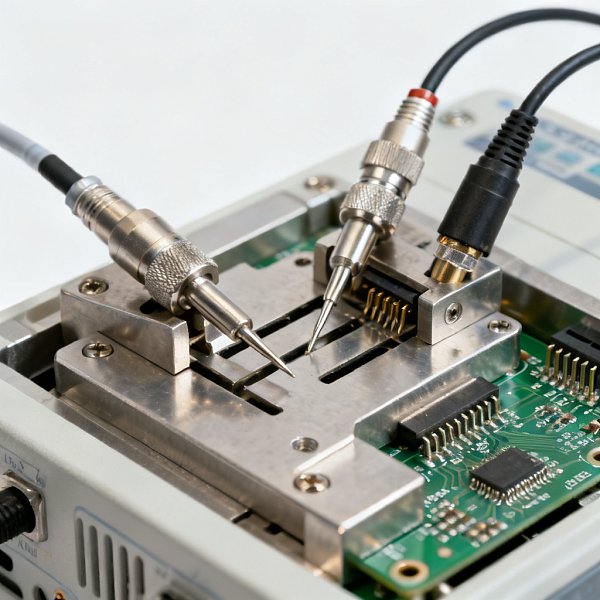
- No lifecycle plan for accessories, batteries, probes, or firmware
If several of these signals appear together, the Electrical Test equipment supplier may introduce avoidable cost and quality issues later.
A Structured Shortlist and Decision Process
A practical selection process improves comparison quality. It also helps internal stakeholders align around evidence instead of preference or urgency.
- Define test requirements, ranges, tolerances, interfaces, and compliance needs.
- Screen each Electrical Test equipment supplier for authorization, service scope, and traceability capability.
- Request technical proposals, certificates, lead times, and support terms.
- Score suppliers using weighted criteria, not only unit price.
- Validate with a demo, sample unit, or reference check when risk is high.
- Document the final decision and review performance after implementation.
This approach supports repeatable sourcing decisions, especially when equipment will affect validated processes, customer acceptance testing, or critical production releases.
Final Considerations and Next Steps
The right Electrical Test equipment supplier combines product quality, application understanding, standards discipline, and service reliability in a way that fits real operating conditions.
Before placing an order, compare suppliers against a written checklist covering performance, calibration, support, documentation, lead time, and lifecycle stability.
Where technical risk is significant, request a formal review of specifications and support boundaries. Small validation steps now can prevent expensive correction later.
A disciplined evaluation process turns Electrical Test equipment supplier selection into a controlled quality decision, not a simple transaction. That is the safest path to long-term measurement confidence.
Recommended News
 Aug 10, 2026Next-Gen Wireless Charging for Smartphones: What Improves Speed, Heat, and Compatibility?Next-gen wireless charging for smartphones is improving speed, reducing heat, and boosting compatibility. Learn what Qi2, alignment, and thermal control mean before you buy.
 Jul 04, 2026Electronics Measurement Solutions Cost: What Drives Total Ownership in 2026Electronics Measurement Solutions cost in 2026 goes beyond unit price. Learn what drives total ownership, from calibration and software to downtime, upgrades, and long-term ROI.
 Jun 16, 2026Relay Modules Troubleshooting for Unstable Signalsrelaymodules troubleshooting guide for unstable signals: identify power, wiring, EMI, and contact faults fast to reduce downtime, restore stability, and prevent repeat failures.
 Jun 15, 2026Automated Trade Platform Trends to Watch in 2026Automated trade platform trends for 2026 reveal how smarter compliance, supplier intelligence, AI exception detection, and technical benchmarking can improve sourcing decisions worldwide.
 Jun 07, 2026Workspace Design Trends 2026: Layouts That Improve FocusWorkspace design trends for 2026 focus on layouts that reduce distractions, support hybrid work, and improve performance. Discover evidence-led ideas that boost focus and productivity.
 Jun 06, 2026Smart Hotel Price Models: What Affects Total Cost?Smart hotel price explained: discover what really affects total cost, from devices and integration to compliance, maintenance, and long-term ROI before you compare quotes.
 May 31, 20263D Scanning Mesh Quality Benchmarks That Actually Affect Accuracy3d scanning mesh quality benchmarks that reveal accuracy risks in density, noise, holes, edges, and repeatability—helping teams trust scan data before critical decisions.
 May 21, 2026Electrical Test Equipment Supplier Checklist for Lower Downtime RiskElectrical Test equipment supplier checklist for lower downtime risk: compare calibration, loaner support, response speed, and lifecycle service to protect uptime and buy with confidence.
 May 21, 2026Spectrum Analyzers for RF Testing: Key Specs That Impact Test ConfidenceSpectrum Analyzers for RF testing: learn which specs truly affect confidence—DANL, phase noise, RBW, dynamic range, and accuracy—to choose smarter and trust every RF result.
 May 13, 2026How to Vet an Electrical Test Equipment SupplierElectrical Test equipment supplier selection affects accuracy, compliance, and uptime. Learn how to vet suppliers with practical criteria for traceability, service, and long-term value.
 May 03, 2026How to Compare an Electrical Test Equipment SupplierElectrical Test equipment supplier comparison starts with application fit. Learn how to evaluate accuracy, compliance, support, and delivery to reduce risk and choose with confidence.
 May 02, 2026High Frequency Measurement Errors That Distort Real ResultsHigh Frequency Measurement errors can quietly distort critical test results. Learn the main causes, reduce uncertainty, and make smarter validation and procurement decisions.
 Apr 24, 2026Why Spectrum Analyzers Miss Intermittent RF ProblemsSpectrum Analyzers for RF testing can miss intermittent faults. Learn how Electrical Test equipment, NIST Standards for calibration, and smarter capture methods improve RF troubleshooting.
 Apr 24, 2026Electrical Test Errors That Come From Fixture DesignElectrical Test errors often start in fixture design. Learn how Spectrum Analyzers, Industrial Sensors, IEEE Standards, and NIST Standards help improve accuracy, repeatability, and production confidence.